If you take a look at this video, you’ll see noted competitor BJ Norris (we think five National and six World titles qualify as “noted”; maybe that’s just us …) make some serious speed look easy on Steel Challenge stages. Given that the stages include shots to 35 yards, this is fast and accurate at stratospheric levels, to say nothing of fun to watch.
To emulate it, however, is another story. Let’s leave out of our considerations the fact that we’re dealing with a world-class athlete: Like the coaches say, “You can’t put in what God’s left out.” But if you’ve tried this yourself, you can’t help but think there is more to it than tremendous natural gifts and mountains of spent brass. And you would be right.
A close look (particularly the strings at 13, 28 and 34 seconds) reveals something more astonishing than BJ’s speed—BJ’s misses. Yet the time between the miss and the make-up is perhaps most astonishing of all. Unless you’re very attentive, you’ll have to count shots to even realize a miss took place. He’s that fast.
Most of us learned to shoot with surprisingly little variation on the same, basic theme—using a stance and grip that allow you to control the firearm, align the sights with the target and activate the trigger with as little change to that sight picture as possible. Almost anybody can be taught to do this well and safely, and with practice they can learn to do it well, safely and quickly. Really quickly, right?
Well, ah, no. There is a point at which the wheels come off for most shooters. Misses appear, and often in truly horrifying numbers and extent as we try to go ever faster. Rapid make-ups are clearly the answer as the video demonstrates. But the speed at which the decision to send another shot is the discriminator: If you wait for the “ding,” or to check for a hole, you’re out of the game.Calling adds speed by putting things back together that we’ve separated in error.
What Norris does, indeed most shooters at his level do, is “call” his shot. And while it’s an advanced skill, it is a learnable one (we can’t guarantee you’ll ever be as fast as BJ, but that’s a different problem).
An essential precursor to shot calling are solid grip and trigger press mechanics. Too much pistol movement from either source makes it almost impossible to call your shots. If you’re a shooter who allows your vision to go from the front sight to the target as you trip the shot, you’ll need to lose that habit as well. More than any other single attribute, calling your shot depends on tracking the sight all the way through the firing cycle.
Unless you’re very diligent, the failure to follow that aiming cue (front sight or red dot) is a counterproductive tendency that creeps in as speed increases. Repetition builds muscle memory, and reduces the angular error of initial sight alignment. This allows the rapid (or “flash”) sight picture to speed up, and is a good thing as far as it goes.
The problems appear when you have more “flash” than “sight picture;” you’ve essentially become a point shooter. And somewhere between 10 and 15 yards, muscle memory is simply not precise enough to ensure a hit on a tight, small or distant target. Adding unnecessary make-ups is clearly not what you’re after. It’s just another kind of slow.
If it’s starting to sound as though shot calling doesn’t involve anything new, you may have a point. But calling adds speed by putting things back together that we’ve separated in error. By seeing (emphatically not “knowing”) precisely where his sights were when he pressed the trigger, BJ discerns in real time that his shot is a miss, and wastes zero time in analysis¬—his make-up therefore occurs at essentially the same speed as a second shot would on the same target. In his case, damn fast.
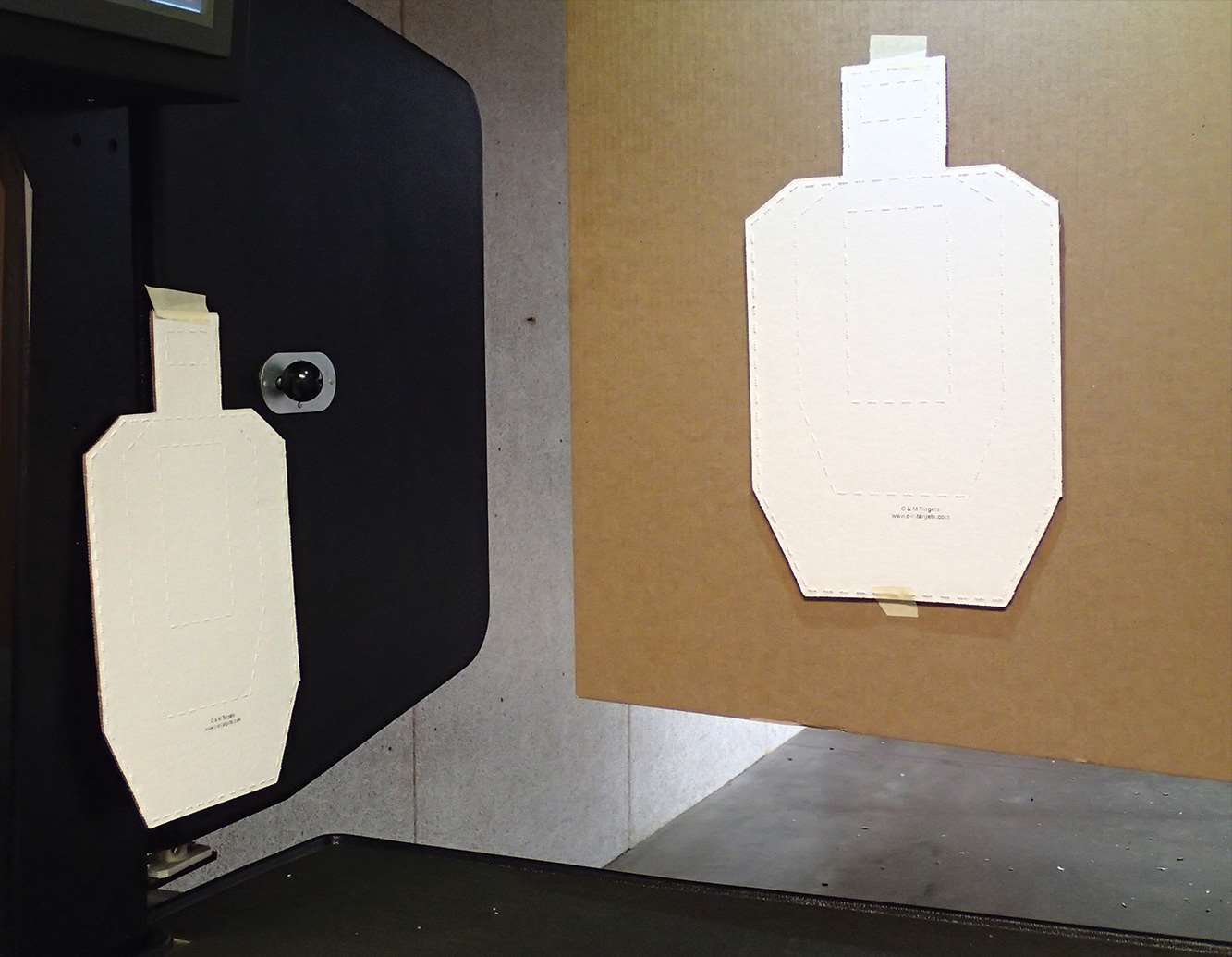
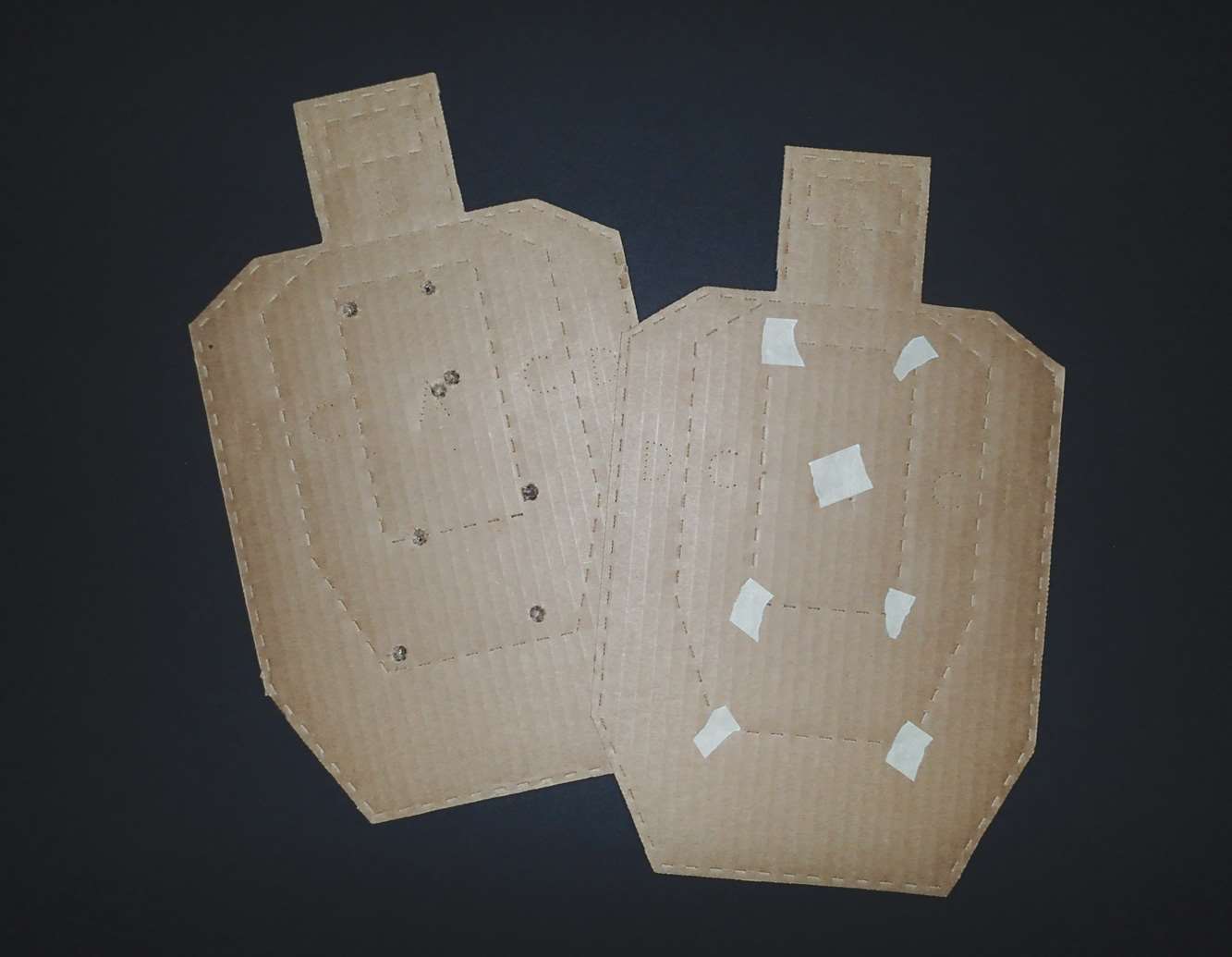
So how do you get—or get back—to this type of sight awareness? Happily, there’s a great drill that we think originated with early IPSC great Michael Plaxco. Place a target at a distance of at least 15 yards (though farther is better), and have an identical target standing by at your shooting position. Take two shots, safe your firearm and without inspecting your downrange target, immediately mark on the nearby target where you think your shots hit. Retrieve your downrange target and compare. If you aren’t tracking your sights through the entire progression of the shot, this accurate prediction will be all but impossible. If you’re, pardon the expression, hit-and-miss, then move your target out farther and repeat. See this demonstrated in detail by Travis Tomasie here.
As is often the case, the “calling” mindset has more than a single benefit. The obvious one is the removal of processing time in shot assessment: The “was it or wasn’t it good” question collapses on itself. But tracking the front sight through the entire shot sequence means better shots in the first place, and your perception of having to slow down will be swallowed up by those higher-scoring initial engagements.
We’re pretty sure you need no help in computing the value of that.