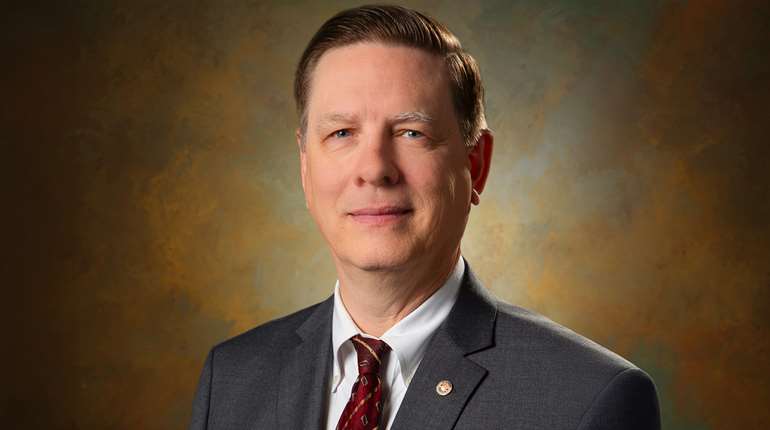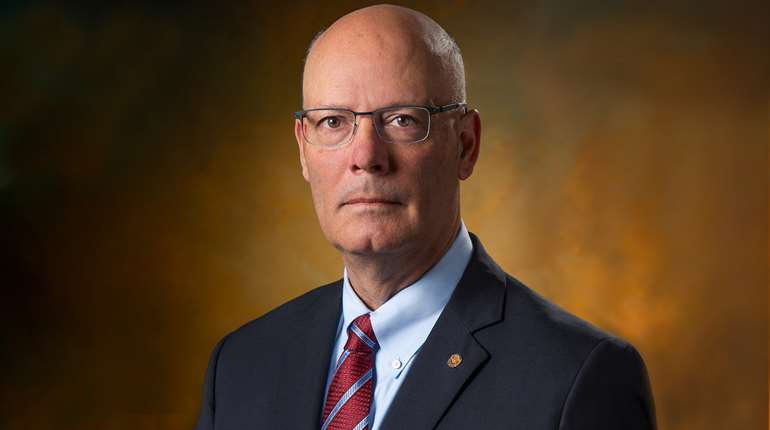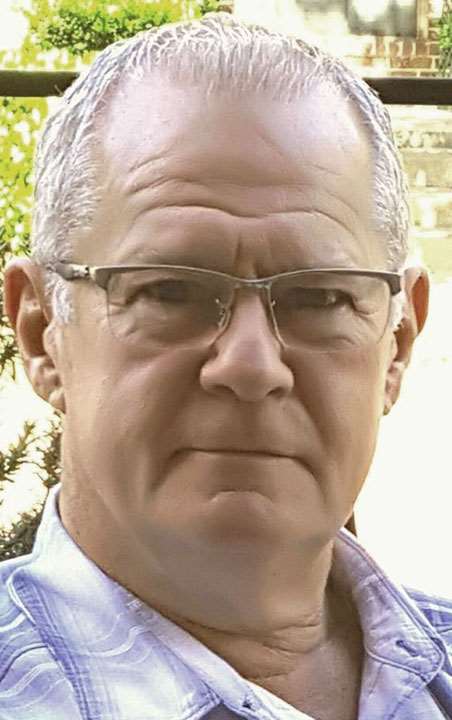
Chuck Chadwick’s name ought to ring a bell with A1F Daily readers. When it comes to exercising a couple of our most important freedoms, not many people would wisely claim to know more about staying safe in church than Chadwick. He spends his time these days as founder and president of the National Organization of Church Safety and Security Management (NOCSSM) and Gatekeepers Security Services, applying the knowledge culled from 20 years of asset protection, disaster recovery, business continuity and emergency planning/preparation in the corporate environment. Protecting worship communities is his job and his calling.
Exercise Your Freedom: Welcome back, Chuck. Catch us up on what’s happening with Gatekeepers and NOCSSM.
Chuck Chadwick: Good to be back with you. As you know, we just completed our 12th annual Church Security Conference at New Life Church in Colorado Springs. More than 100 representatives from faith-based organizations attended this year.
EYF: What can attendees expect at the yearly meeting?
CC: Some of the program is update-oriented of course, because that’s what attendees ask for, but we have experts from just about every field on our program. Terrorism, unfortunately, remains a big concern for Christian organizations. The worst of this has happened abroad, but it’s only a matter of time until deeply anti-Christian and anti-American sentiments emerge and attempt to hit domestic targets.
That’s still one of the biggest challenges we face and needs we try to meet, because an armed security team and an evacuation plan are just the beginning. Pastors, staff and congregation members all want to be safe. As good as American law enforcement is, it’s plainly irrational to expect they’ll arrive in time to prevent incidents like we’ve seen abroad. 911 doesn’t—can’t—work that way. Only people on the scene can hope to halt these mindless rampages.So conference topics range well beyond “people protection” considerations.
So conference topics range well beyond “people protection” considerations. We look at strategies for handling all the things pastoral organizations may need, or face—security policies and procedures, emergency action plans (including evacuation and shelter-in-place), procedures for handling/securing the offering, disruptive people/stalkers, terrorism, sex offenders, etc. It’s all part of what we call The Three Strands of Church Security.
EYF: We know the annual conference is a big focus, but hardly the only thing you do. Any trends here?
CC: Not trends, exactly, but we continue to work with many organizations here in Texas to get their security teams online in the fullest sense—compliant with Texas law, and the like. This includes firearm training, but that’s not the only toolset, and certainly not the preferred one. We put a lot of effort into de-escalation, circumvention and outright prevention.
Elsewhere, things get trickier. We can help in just about any locale, but the options available to churches—or any organization—vary widely, and smaller institutions still face complex differences in what their home states will legally allow them to do. These folks want to be more secure, but hiring off-duty law enforcement or private security is out of the question because of the huge cost challenges that implies.
ASCG departs the original Gatekeepers concept in that it isn’t tied to an umbrella organization like a single church.Many churches are compelled to simply go it alone: They find and train the best people they can within their congregation, and hope that a security “presence” will do the job. We hope so for their sake, too, but the liability implications alone certainly give one pause, and an incident, well … now we’re back to the reasons the conferences keep growing.
EYF: Do we understand that there is a new direction for the Gatekeepers concept?
CC: The Gatekeepers concept comes straight out 1 Chronicles (9:21-24), and is the basis for our belief that churches—indeed any organization with an ethical basis—can and should be responsible for their own security. That they should consist of diverse, honorable, moral people is explicit in the concept. This in turn means they’re trained to respond first with compassion, but also effectively. In the past, Gatekeepers trained by us were always affiliated with a larger organization.
As you look at the American political landscape, however, you have to be concerned. Depending on the outcome of the November elections, an individual may soon have to have an official connection of some sort to be able to own or posses a firearm at all, much less for defensive purposes. This is why we’ve launched The American Society of Christian Gatekeepers.
ASCG departs the original Gatekeepers concept in that it isn’t tied to an umbrella organization like a single church. Instead, members are organized in local chapters that mutually support security/safety/other educational needs—you might think of it as the YMCA meets the Boy Scouts, at least in an ethical, thoroughly adult sense. You won’t be able to join without a background check, for instance, nor get involved without a CCW permit or other firearms proficiency credential. Beyond that, the organization will continue to share the original Gatekeeper focus on protecting their communities through full-spectrum preparedness. Administratively, our goal will be to orchestrate recognized credentialing wherever, however we can.
Our aim is to put men and women across America who have a calling to protect in contact with one another, and help them serve their neighbors and communities in the best American tradition.
EYF: Thanks, Chuck.