Gun guys and ladies rarely get the credit they deserve in the wider world. In other venues, we’ve often observed how safe and law-abiding they are, but even after decades of experience, the number of interesting, sophisticated achievers we meet from an astonishing collection of backgrounds who are also gun nuts—in the good sense—remains a durable joy.
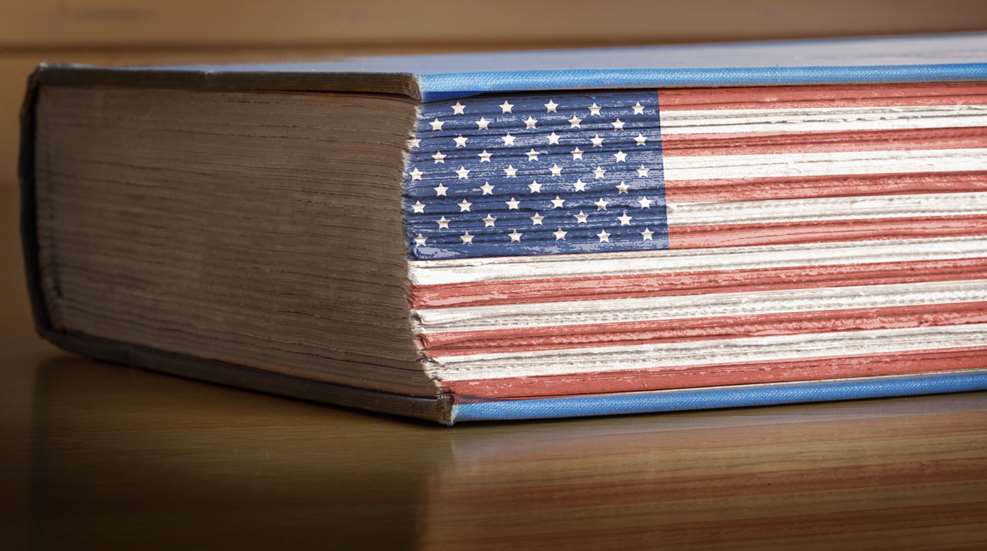
Such diversity is also a big part of the fun of “First Gear”: Shooting stuff shares that vast variation, but adds innovation and experimentation—call it good toys if you must—to the mix. That’s where the guilt starts: That fun, partly in the form of the Second Amendment, has been, and must be paid for. We therefore suggest that some thought-provoking reading material ought to be part of your “gear,” too.
You won’t get far into the list without seeing that none of them are gun books, per se. Heck, not all of them are even written by Americans. But what they have in common, we think, is a timeless truth: Liberty is simply not for the faint of heart, and—however regrettably—no free people have stayed free for long without courage of the martial sort. So gird yourself, and pick at least one …
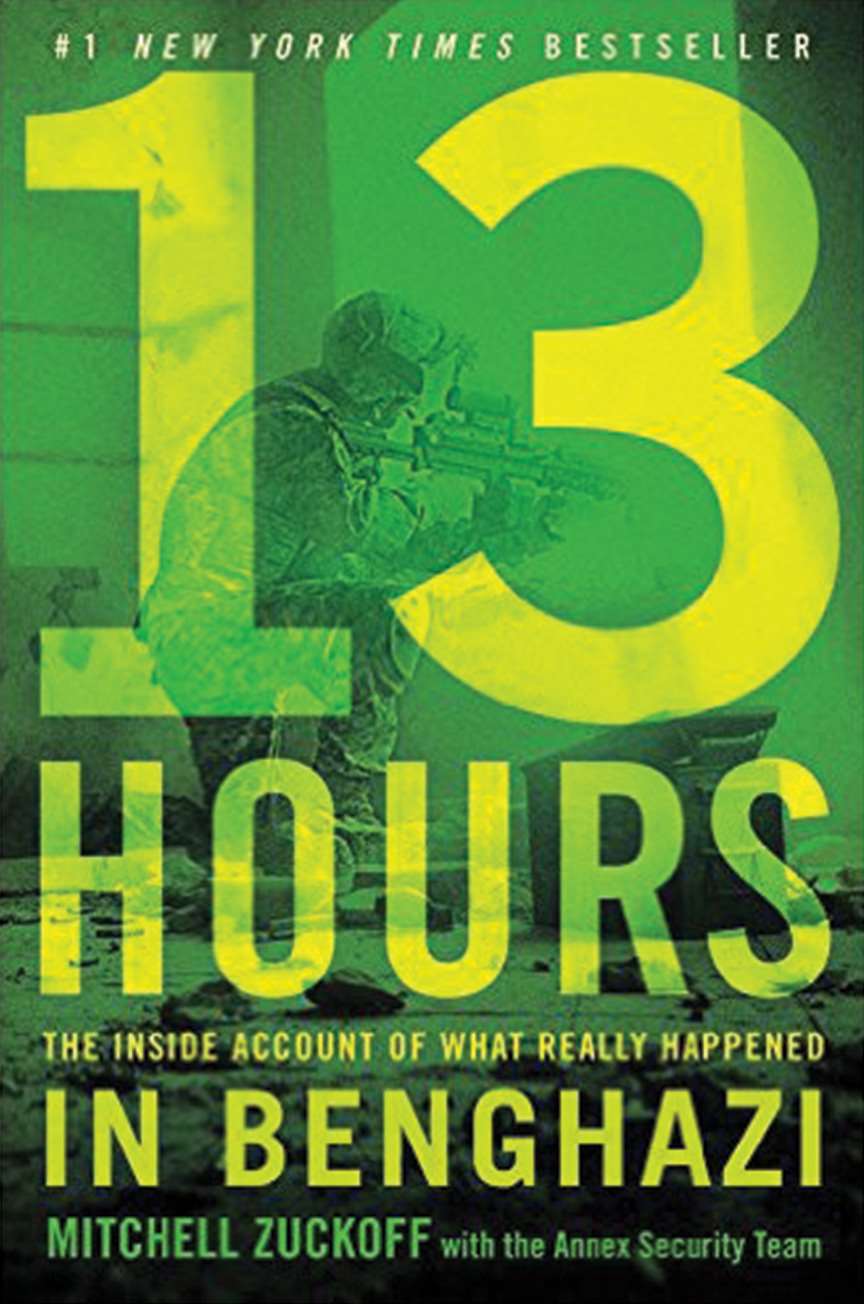
13 Hours (September 2014)
Both a book and a successful movie, 13 Hours is a grim, real-life thriller. Author Mitchell Zuckoff builds his story on the best of resources—the Annex Security team who were in the fight in Benghazi, Libya, on that fateful evening and night in September 2012. Hundreds of terrorists attacked the U.S. State Department’s Special Mission Compound (with new Ambassador Christopher Stevens in residence) and the CIA “Annex”; four Americans, including Ambassador Stevens, lost their lives in the ensuing fight.
The author and contributors assert that the book is not intended for the political “season” in which it necessarily sails, and sentence-to-sentence, paragraph-to-paragraph and chapter-to-chapter, their aim is almost painfully true.
But taken as a whole, 13 Hours remains a tale of heroic dedication to duty despite callous blunder after dismissive miscalculation after vacillating, politically correct—and ultimately fatal—deceit and delay at the very highest levels.
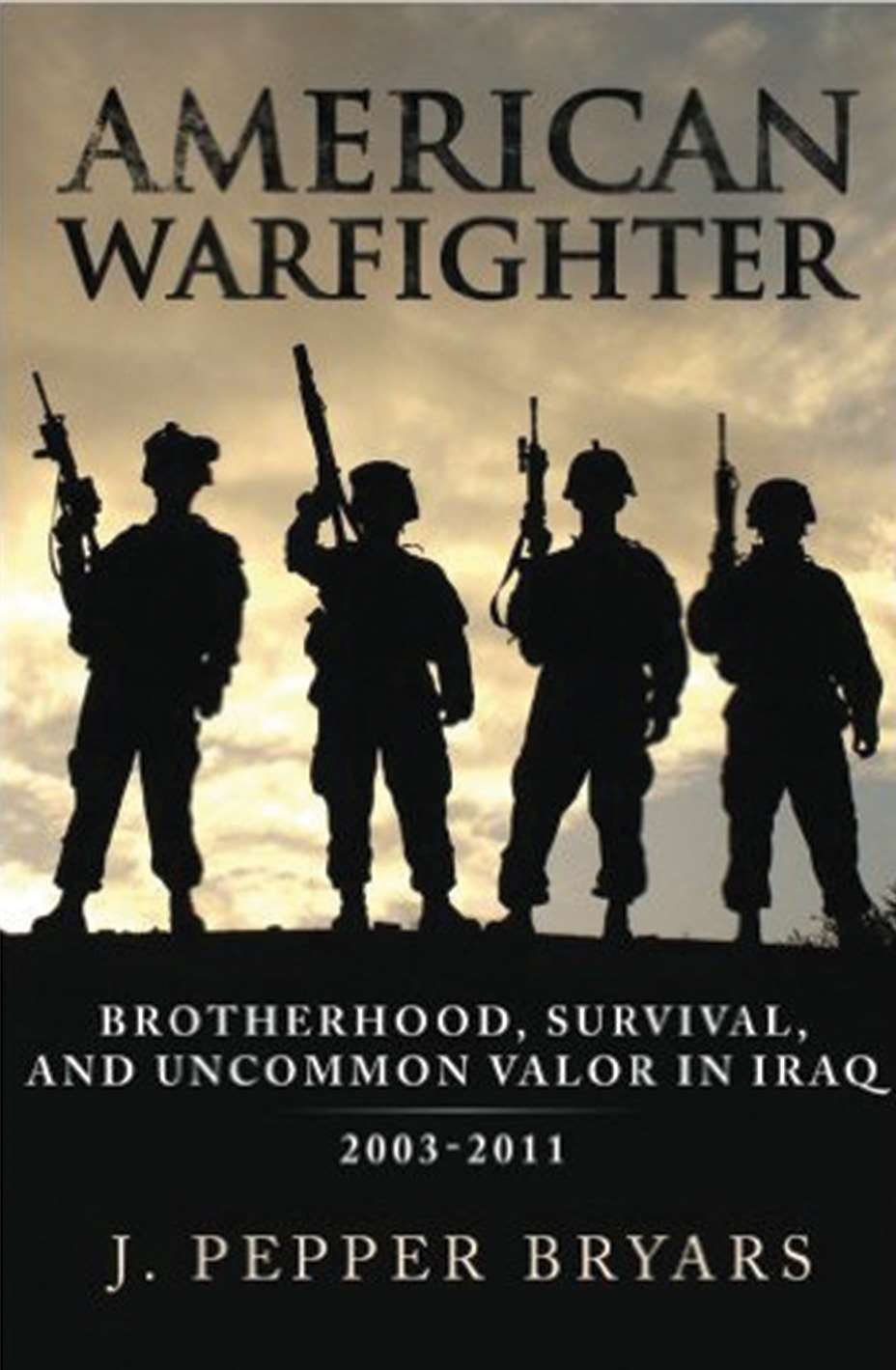
American Warfighter (May 2016)
The newest of our quartet is a work we concede we haven’t finished yet, which in itself may be astonishing. J. Pepper Bryars’ account of “brotherhood, survival and uncommon valor” moves at such a masterful pace it seems to give the energy in the ebbs that you’ll need for the flows, and it’s a good thing: We’ve been taken well into the very wee hours of the morning more than once.
Bryars frames the whole of the Iraq War (2003-2011) with the narratives of 10 highly decorated soldiers. With chapters subtitled “This is what Custer must have felt like,” “It’s no fun when the rabbit has the gun,” and “We’re black on ammo!” an impression of the book is easy to get, but the final journey is impossible to predict. Bryars’ research sets the scene, but the remarkable individuals tell the engaging, harrowing, thrilling nuts and bolts of those eight turbulent years.
Longtime followers of A1F’s American Warrior may also be gratified to find—if we may be so bold—one of “our own” in the pages of American Warfighter: Green Beret and U.S. Army Master Sgt. Jarion HalbisenGibbs. Bryars brings the reader two chapters about the sergeant’s decorated service, including a far more comprehensive retelling of our American Warrior account from 2015.
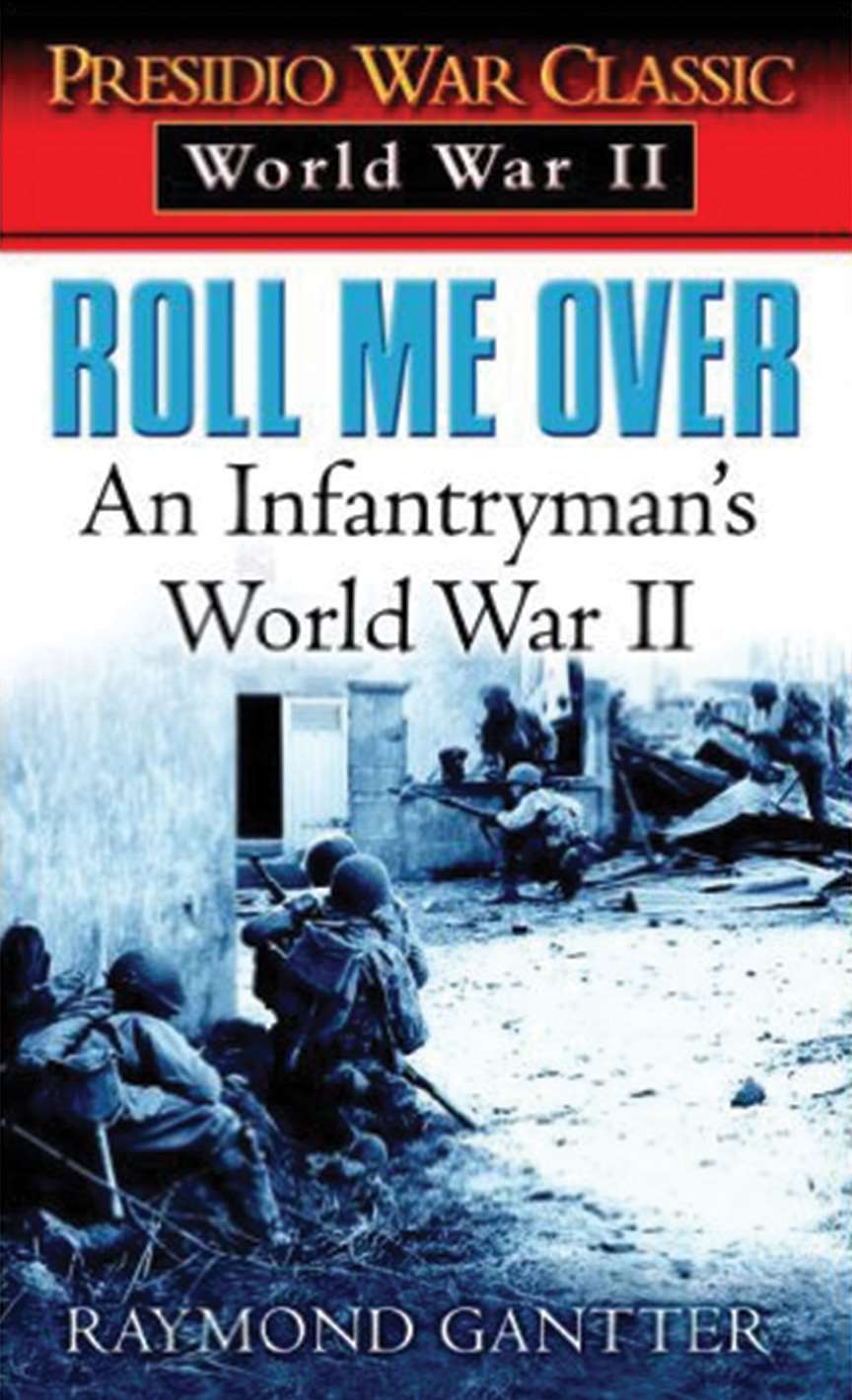
Roll Me Over (1997)
To describe Roll Me Over as a late-arriving account of infantry life on the European battlefields of World War II would be no overstatement. Author Raymond Gantter wrote it between September 1944 and June 1949, died in 1985, yet it was only finally published in 1997 at the behest of his estate. It’s a good thing, too.
Gantter arrived in Normandy in September 1944 a relative and uncommon sophisticate in the enlisted ranks. Turning down a third deferment, the 30-year-old graduate of Syracuse University was a German-speaking, jazz-piano playing, 130-pounder who must have been quite a soldier, too: He advanced from private to buck sergeant in six months, and by war’s end added a battlefield commission and Silver Star.
Crafted from copious letters and notes, the story of his marches—across Northern Europe and the Battle of the Bulge, eventual arrival in Czechoslovakia, and finally to occupation service in Germany—is unglamorous to say the least. A mature man’s eye and hand, though, are unmistakable, and lend an extra measure of page-turning gravitas to a story that needs no such help.
Gantter’s self-corrections are particularly instructive. Impressions he had during his time in combat are often amended in the light of post-war experiences, and with refreshing (particularly by today’s undemanding standards) humility and candor. That it’s a tale to read and re-read is easy to declare; that it has much to say even 70 years hence about every era’s wars and soldiers is what makes it a deserving classic.
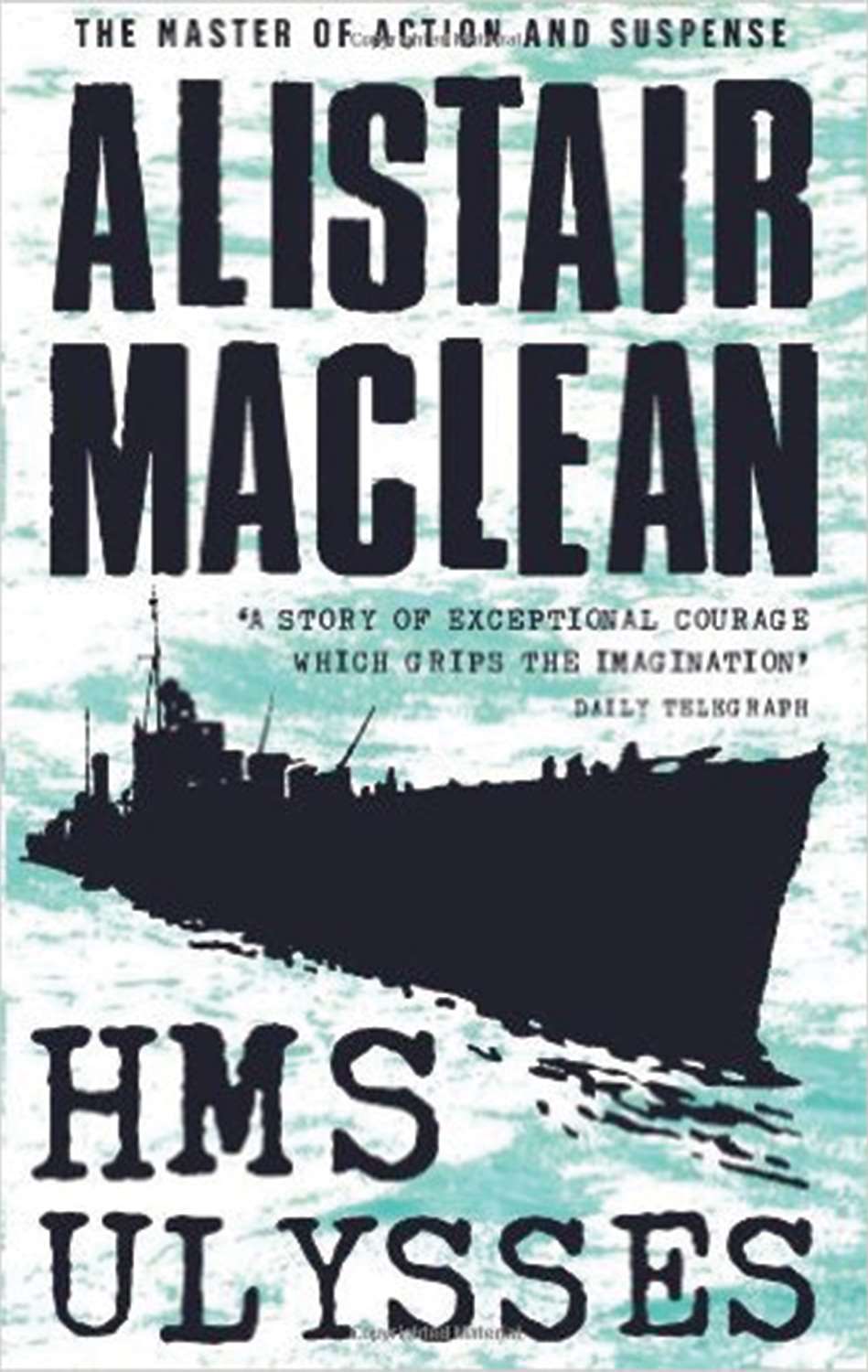
HMS Ulysses (1955)
Our last recommendation is actually a novel, though it harks back to a bitterly true event that took place 74 years ago this week—the disastrous North Cape transit of Allied convoy PQ-17 from Iceland to Arkhangelsk in the Soviet Union during World War II.
While the book itself is not famous, its author is well known: Scotsman Alistair MacLean. In the 1960s and ’70s, several of his other works were top-grossing Hollywood smashes in addition to their blockbuster novel status, and featured major stars like Gregory Peck, Anthonies Quinn and Quayle, David Niven (“The Guns of Navarone”), and Richard Burton and Clint Eastwood (“Where Eagles Dare”). Mainly yarns of delicate feats of espionage, they remain worthwhile viewing even by modern standards, and the books are even better.
Read HMS Ulysses, however, and you may never look at a grey ocean again and feel warm. Carved from MacLean’s own Royal Navy service aboard the real HMS Royalist, a light cruiser and convoy escort on which the author served, and amalgamated with brother Ian’s merchant service (the elder MacLean was a master mariner, or Merchant Marine vessel commander), it is awash—before freezing—with grim, unforgettable arctic seafaring, merchant shipping and naval combat detail.
It’s not exactly easy to find, but you can get it for your Nook if e-reading appeals. In whatever media, it is pointedly worth it. Fictional FR-77 and Ulysses fare even worse than the real PQ-17 (which nevertheless lost 24 of 35 ships), but the story it tells of a little-remembered but crucial effort and theater of World War II makes every page worthwhile.