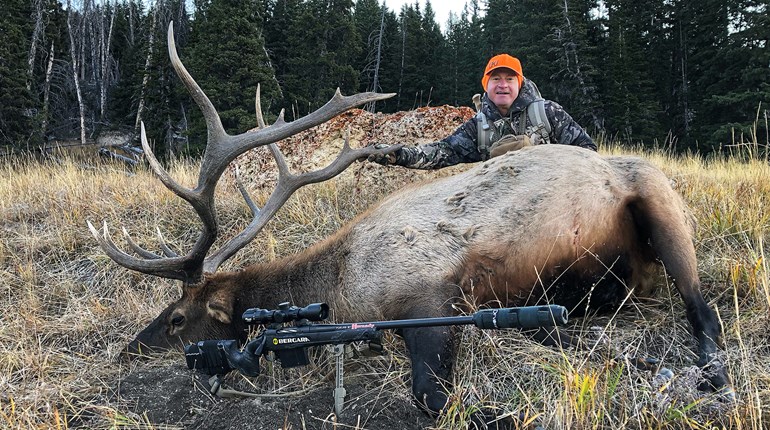
Secretary of the Interior Doug Burgum has made our National Wildlife Refuges presumptively open to hunting and fishing.
“The Department’s policy is clear: public and federally managed lands should be open to hunting and fishing unless a specific, documented, and legally supported exception applies,” says a press release from the Department of the Interior.
This initiative includes all public lands managed by the Interior Department, including National Wildlife Refuges, to hunters and anglers unless a specific reason is cited requiring a property, or portion of a property, to be closed to these pro-conservation activities.
This is one of those changes that is so commonsensical that it should obviously have been the default from the beginning; after all, taxes paid by gun owners, via excise taxes on gun and ammunition sales, have made acquiring and maintaining many of these public lands possible. These excise taxes are known as Pittman-Robertson federal firearm and ammunition taxes. Also, monies raised from Federal Duck Stamps has benefitted these public lands.
According to the National Shooting Sports Foundation (NSSF), the firearms industry, via these taxes, has invested over $29 billion, when adjusted for inflation, since 1937 toward wildlife conservation. These excise taxes are paid by the manufacturers after hunters, sport shooters, and others purchase firearms, ammunition, and other related sporting goods, and are dedicated solely for the conservation of wildlife, the habitats in which they thrive, hunter-education programs and for recreational shooting ranges.
“These 10 to 11 percent excise tax dollars collected for the Federal Aid in Wildlife Restoration Act are specifically designated to be used by state wildlife agencies for conservation and related purposes. Collectively, the firearm industry, purchasers of firearms and ammunition and hunters are the greatest source of wildlife conservation funding,” notes the NSSF.
The National Wildlife Refuge System encompasses more than 96 million acres of land managed by the U.S. Fish and Wildlife Service. As this was being written, about 70% of National Wildlife Refuge land was open to hunting. The onX Hunt app/website has a useful map layer showing USFWS huntable areas including National Wildlife Refuge lands. Many refuges also publish hunt maps and brochures on their websites.