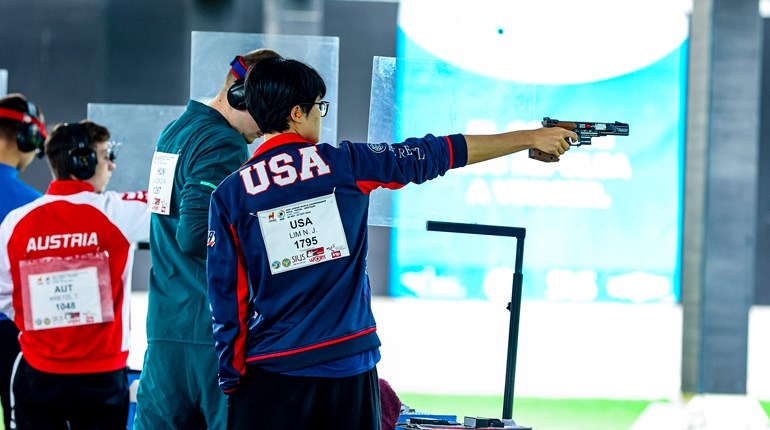
After a year-long delay and the additional anticipation associated with it, Olympic shooters from the United States are now in Tokyo hoping to make their lifelong dreams come true. But things aren’t going to be easy for these athletes, given stringent COVID-19 protocols, high heat and humidity at the nearby shooting venue and the country’s overall anti-gun sentiment.
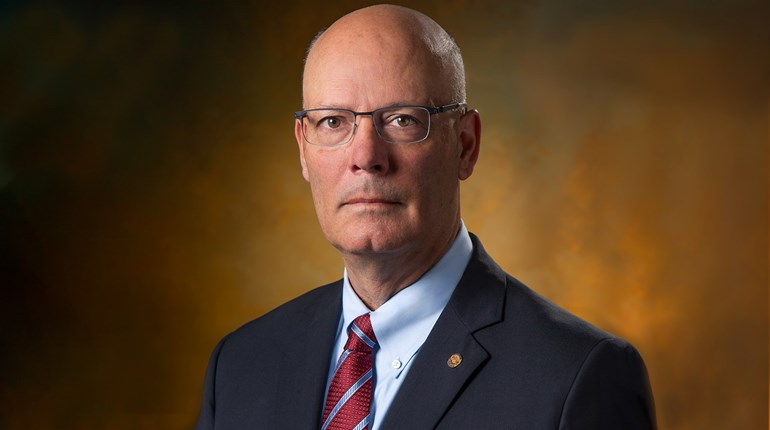
The shooting competition at the Olympics begins on July 24. Matt Suggs, CEO of USA Shooting, the national governing body for the shooting sports, said American shooters are ready to get on with the competition.
“They’re all excited,” Suggs said in a phone interview from Tokyo. “Having the Olympics delayed for a year just increases the anticipation. We’ve taken advantage of the delay. Certainly, our rifle and pistol team is significantly better than it was a year ago. While it was an abbreviated World Cup season, we had a very positive World Cup season with a number of our youngest shooters winning World Cup medals. I think of all the countries here, we’ve probably taken the most advantage of the one-year delay.”
While the anticipation is high, the shooters’ journey to the Olympics hasn’t been an easy one, logistics wise. While many sports require specialized equipment, some of the equipment used by shooters is largely banned in Japan.
“It’s extremely difficult to get gear over here,” Suggs said. “Japan has some of the most-onerous gun laws in the world. There’s a restriction on how much ammunition you can bring in, even for the Olympics—800 rounds. Each athlete has storage for 800 rounds and can’t exceed that at any given time. So, you kind of get your 800 rounds in, then based on how many boxes you use per day, you do a replenishment order on that.”
Suggs said that while there is no shooting culture in Japan, shooting-sports athletes are mostly treated equally to all the other athletes. The emphasis there, however, is on mostly.
“You know, the one part where you don’t get treated equally is when you’re going through customs, and it takes you an hour and a half longer to get through customs than it does for most of the other athletes because they open up every gun box and count every round of ammunition,” he said. “So, that’s the one place shooting competitors get treated differently.”
Once there, shooters have found a very strict COVID protocol designed to keep athletes safe. So far, that has been successful for American shooters, who have stayed healthy.
“We got our last shooters into the country last night,” Suggs said. “They took two COVID tests before they came, then they took another one in the airport here, and everybody passed those.
“What you’re seeing here is 100% masked—everyone is wearing masks all the time, except for when you’re actually on the firing line. The cafeteria has plastic partitions between every seat, so it’s sort of like going in to visit your relatives in prison. You put plastic gloves on when going through the various food lines. It’s a lot more locked down than it is presently in most parts of the United States.”
Suggs said shooters are adjusting well to the protocol and are also getting an opportunity to adjust to the extremely hot Tokyo weather. Suggs said the heat index at the shotgun range has been 104 to 105 degrees in the heat of the day.
“We’re probably fortunate in comparison to some countries in that a lot of our shooters are from the South, and most of them are used to a little bit of heat and humidity,” he said. “And we’re definitely getting plenty of that. The shotgun range is especially warm. The ground cover that they put down seems to radiate the heat quite a bit. But those guys are all used to shooting in the heat.”
One of the positives for this Olympics—especially for those of us back home wanting to watch the shooting sports that typically get little coverage by American media—is the viewing opportunity should be much greater this year. That additional coverage is thanks to live streams of most of the events by various teams, federations, organizations and even overseas networks more interested in the shooting sports than U.S. networks.
“In comparison to what we’ve had in the past, there’s just a lot more content out there and you should be able to see more shooting in this particular Olympics than you’ve been able to in the past,” Suggs said. “I know they have some of the finals slated for television, and it will probably depend on who makes those finals. But there will be streaming of everything.”
Shooting events kick off with the women’s 10-meter air rifle competition. The official schedule for the shooting competitions can be found here, and it will be updated with results as the competitions are completed. To find streaming coverage of an event, choose one you want to watch and do a search to see what is available.