Legends | In All Its Glory

by
posted on April 11, 2017
** When you buy products through the links on our site, we may earn a commission that supports NRA's mission to protect, preserve and defend the Second Amendment. **
041117_legends.jpg

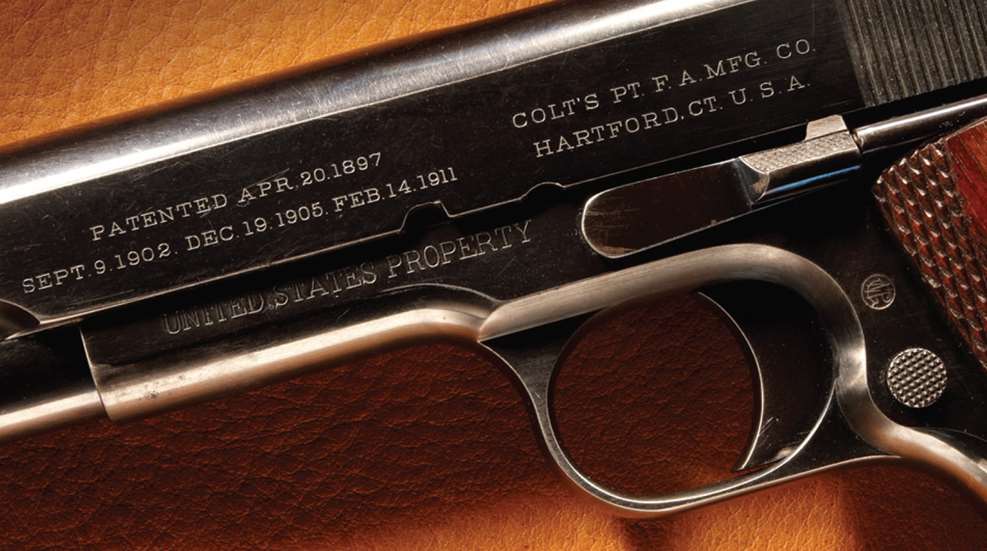
His is a name well known to gun enthusiasts, as he was one of the most successful American firearm designers of the 20th century. Born in Ogden, Utah, in 1855, his father was a skilled gunsmith who taught him the art of gun-making at a young age. By 13, he had crafted his first firearm and, at 18, he took over his father’s gun shop business. When he was 24, he was awarded his first patent for a gun he and his brother sold to Winchester Repeating Arms. 

He continued to design firearms for Winchester—many of which became top sellers—and maintained a business relationship with the company that lasted until 1902. At that point, he sought out a new agreement that would pay him not just an upfront amount for his design, but a royalty fee based upon sales. Winchester declined, so he took his business to Fabrique Nationale d’Herstal of Belgium, where this design became one of the best-selling shotguns of the era. 

He continued his work until past retirement age, and was developing a self-loading pistol design when he died of heart failure. Over his lifetime, he was credited with more than 120 patents, and many of his designs are still in production today. 

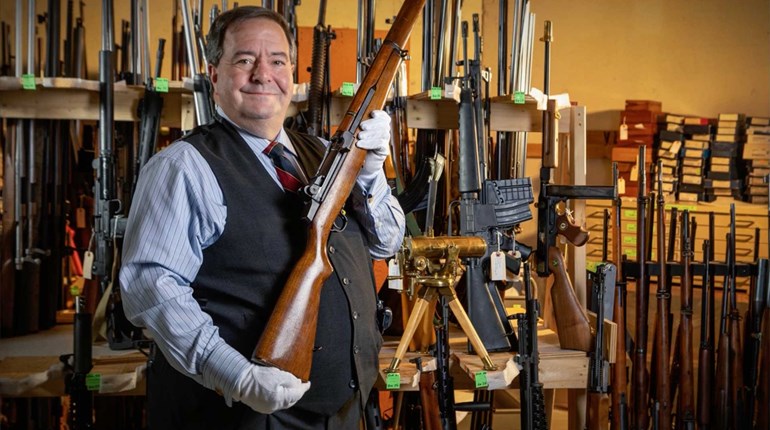
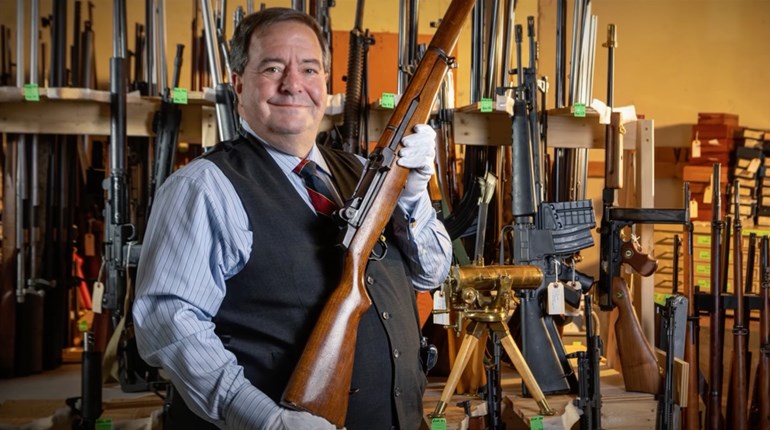
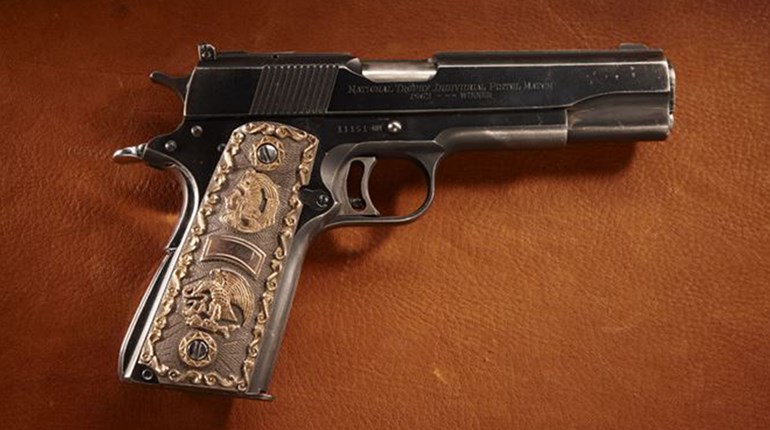
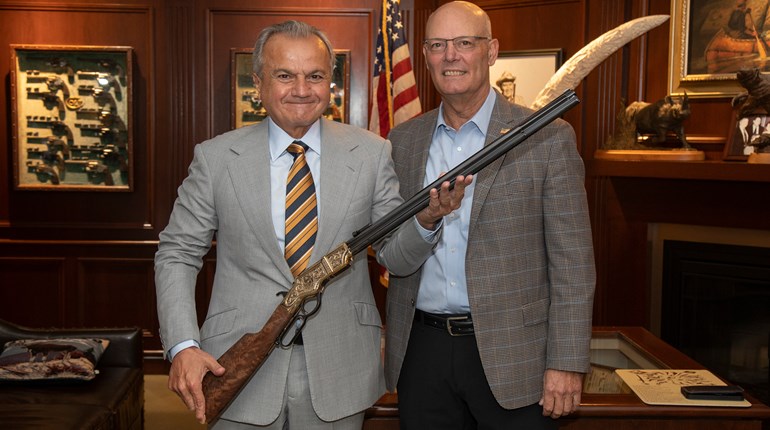
Click here to learn more about this firearm and the gunmaker who created it. It’s just one of the many fascinating treasures on display at the NRA National Firearms Museum in Fairfax, Va.

Latest

PLCAA in marble
PLCAA in marble

Cynical Strategies To Subvert The Protection Of Lawful Commerce In Arms Act

Since President George W. Bush signed the bipartisan Protection of Lawful Commerce in Arms Act (PLCAA) into law on Oct. 26, 2005, those bent on civilian disarmament have sought to bypass the legislation’s clear commands. In fact, 20 years later, gunmakers were fending off a frivolous nuisance suit from the city of Gary, Ind., filed in 1999, despite the PLCAA and state-analogue legislation.

The New York Times Tries to Explain the Drop in Crime

The New York Times is attempting to explain away the Trump administration's success at lowering crime rates with these explanations.

Winner-Take-All Elections Mark A New Chapter In The Second Amendment

Will a meaningful Second Amendment survive in Virginia? That this is even an open question shows how dramatically one election can reshape a state when it comes to the right to keep and bear arms.

Part 1: How the Mainstream Media Lost Touch With America—The Takeover by the Elites

Why is so much of the mainstream, legacy or corporate media opposed to our right to keep and bear arms? This three-part series attempts to answer these critical questions—understanding, after all, leads to solutions.

President’s Column | NRA Focus On The Vision

I can’t believe it’s been seven months since I was elected NRA president, and I’m already composing my eighth President’s Column. The officers never fully anticipated or appreciated the immense challenges we faced when elected.

Standing Guard | The NRA is Strong

The strength of the NRA is, and has always been, our membership. Without our millions of members, we would not be able to effectively rally behind elections for pro-freedom politicians; just as importantly, if not for our large membership, our representatives in office would not feel the same urgency to listen to us in this constitutional republic.

Interests


Get the best of America's 1st Freedom delivered to your inbox.