When fighting for your constitutional rights, it can be tough to know when—if ever—to sit back for a moment and favorably review the scene. Decades of hard-won experience teach us that our opponents are still out there, that there is no such thing as a permanent victory and that such complacency inevitably allows the enemies of our freedom to try again. In consequence, we are devotees of the “but,” the “however” and the “for now.”
But, sometimes, one needs to ignore this sensible instinct and just come out and say it. Here, I will do just that: Despite all the challenges that persist, we gun owners are in a much, much better place at the end of 2025 than we were at the beginning of 2025. We have a president who has reoriented the federal government into a strongly pro-Second Amendment position. We have a judiciary that is no longer being filled with judges who wish to read the right to keep and bear arms out of the U.S. Constitution. And we have an electorate that, day by day, is being shown that the gun-control tropes of yesteryear are a frivolous—and even dangerous—distraction.
Within a few months of taking office for the second time, President Donald Trump (R) instructed his attorney general to “examine all orders, regulations, guidance, plans, international agreements and other actions of executive departments” to “assess any ongoing infringements of the Second Amendment rights of our citizens.” At the same time, the assistant attorney general for civil rights at the U.S. Department of Justice confirmed that the right to keep and bear arms is a fundamental civil right.
Compare this with Trump’s predecessor, who took every available opportunity to lie about guns in public, who openly believed that the U.S. Supreme Court’s recognition of the Second Amendment was a mistake and who went so far as to establish a (now-abolished) “White House Office of Gun Violence Prevention” that used the presidency as a stage from which to pursue the disarmament of the citizenry.
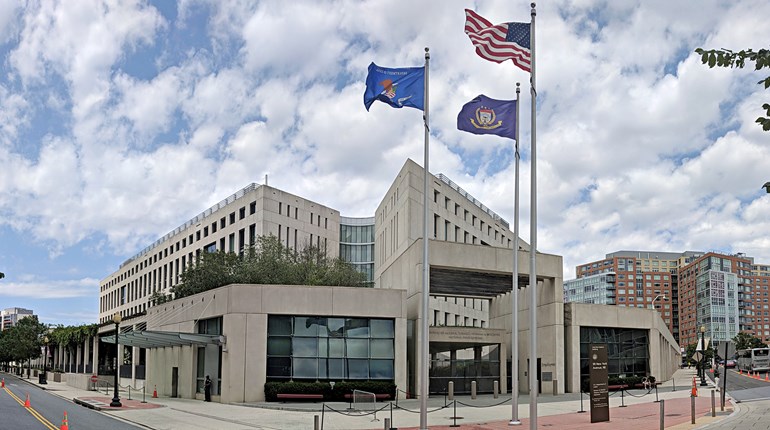
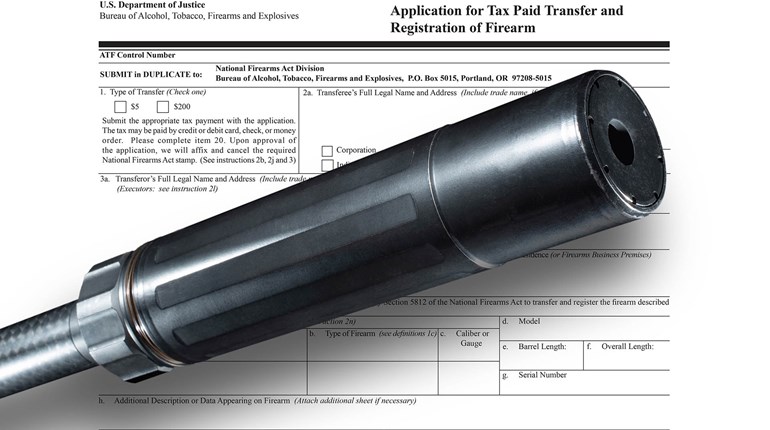
This matters. Thus far, the Trump administration has reversed the ATF’s absurd “one-strike” approach toward gun stores—a policy that presumed that the problem in America lies with lawful gun-sellers, rather than with illegal traffickers; it has taken the first steps in three decades toward establishing a rights-restoration process for nonviolent convicts who have been unconstitutionally deprived of their right to keep and bear arms; it has abolished treating law-abiding armed citizens as if they are the cause of crime; it has signed a bill that removed the $200 tax stamp on certain NFA items, including suppressors and short-barreled rifles and shotguns; and, most recently, it has brought a civil-rights case against the Los Angeles County Sheriff’s Department for its unwillingness to issue concealed-carry permits in a timely manner. This did not happen in a vacuum. Advocates of the Second Amendment made the argument, and the electorate concurred. Politics matter, and it is important for us to acknowledge this when we win, as well as when we lose.
Equally important has been the Trump administration’s successful deployment of the National Guard to Washington, D.C.—a move that has neatly illustrated that crime is committed by criminals, rather than by guns. Often, political debates can seem abstract or theoretical, but here, in one fell swoop, the White House put the lie to decades of stale and cynical talking points—and in a fashion that is impossible to countermand. So comprehensive has that victory been for good citizens that even the head of D.C.’s government, Muriel Bowser, has had to acknowledge the obvious. It would be welcome if her voice had been joined by more figures on her side of the aisle, but we’ll take what we can get for now.
See? I told you I’d get to the “but” ... .