Tourists don’t come here.
Rural Guatemala looks about like you would expect: jungle-covered mountains, poorly maintained roads where cattle compete with colorful ancient buses carrying chickens, crates of fruit and salt-of-the-earth campesinos. There are coffee farms, stands of banana trees and scruffy dogs lounging beside the road, or sometimes right in the middle of it. The dusty pueblos that cling to mountainsides bear near-unpronounceable indigenous names that hail from the Mayans: Chimaltenango, Chiquimula, Acasaguastlan. Any average American would comment on the apparent poverty, but wouldn’t be surprised by it: more livestock than vehicles, homes made of tin or thatch, and most inhabitants scratching out a subsistence living with machete and hoe.
I traveled to Guatemala as a part of an ongoing investigation into the security situation in Central America post-Obama. In some ways things are improving. In others, not so much.
The seven countries of Guatemala, Belize, El Salvador, Honduras, Nicaragua, Costa Rica and Panama have, to some extent, long been synonymous with dictators, civil wars, money laundering and narco-traffickers. They are trying hard to shake off that reputation and become more popular as surf meccas, emerging investment markets and low-cost retirement havens. … as the money dried up for counter-narcotics, the cocaine began to flow north once again.
But Guatemala, El Salvador and Honduras still suffer from the highest murder rates in the world outside an active war zone. MS-13, Barrio 18 and a few other gangs are flourishing, having grown in reach and sophistication. They operate as true transnational criminal organizations, whose global reach is only rivaled by their brutality.
At a remote checkpoint on the Honduran border, I spoke with a Guatemalan police lieutenant. He said that in 2016 they were seeing more than 300 immigrants daily, from as far away as Pakistan and Nepal, in a mad rush north to take advantage of the lax border enforcement of the Obama administration. That number has now dropped to a trickle.
But when it comes to narco-trafficking, the numbers are going the other way.
Over the past few years, the resources that had been dedicated to counter-narcotics were diverted elsewhere. The Obama administration was more concerned with pressuring Central American countries, which share a near-universally Catholic worldview, to recognize same-sex marriage and abortion-on-demand. And as the money dried up for counter-narcotics, the cocaine began to flow north once again.
Very little cocaine is produced in Guatemala. But the rural areas I visited are being affected nonetheless. The potholed roads might as well be an expressway for cartels shipping their poison north to the U.S. border.
Drugs mean money, and money breeds corruption. That corruption hurts most Central Americans, though in the middle of this quaint farming area, there are a few homes so large and ornate they would look ostentatious in Beverly Hills. I wanted to take photos of them, but my driver strongly advised against it.
Some are obviously profiting from the surge. But America isn’t. As illegal immigration plummeted in the wake of the Trump inauguration, Arizona ranchers reported an increase in drug shipments across the border.
Which makes it abundantly clear that America must do two things:
- Refocus our counter-narcotics policy in Central America.
- Build the damn wall.
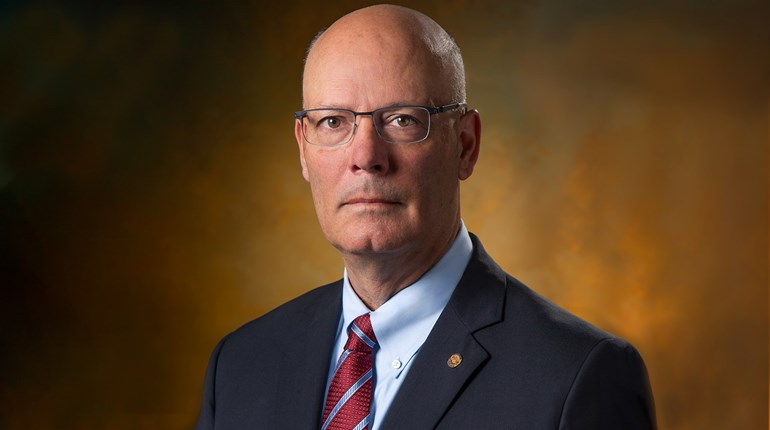
Chuck Holton is a veteran Army ranger and NRATV correspondent.