In April of this year, the Los Angeles Times published an op-ed with the provocative title, “There’s scientific consensus on guns—and the NRA won’t like it.” The gist of the piece was that the author had surveyed academics who write about firearms policy and found that the majority link more guns to higher death rates. (John Lott wrote a short and elegant rebuttal soon afterward.)
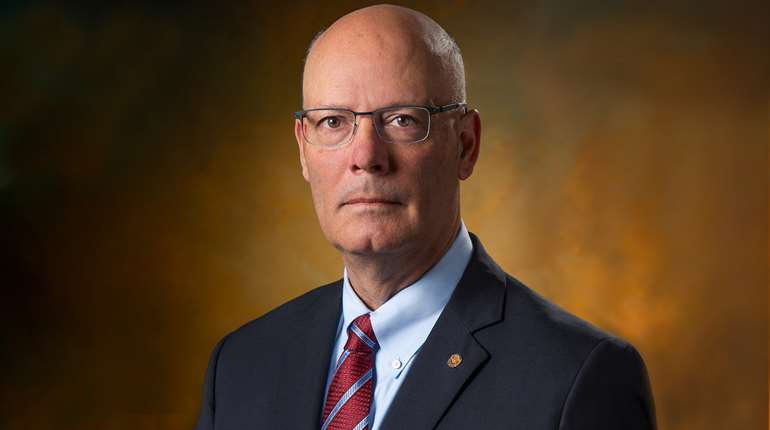
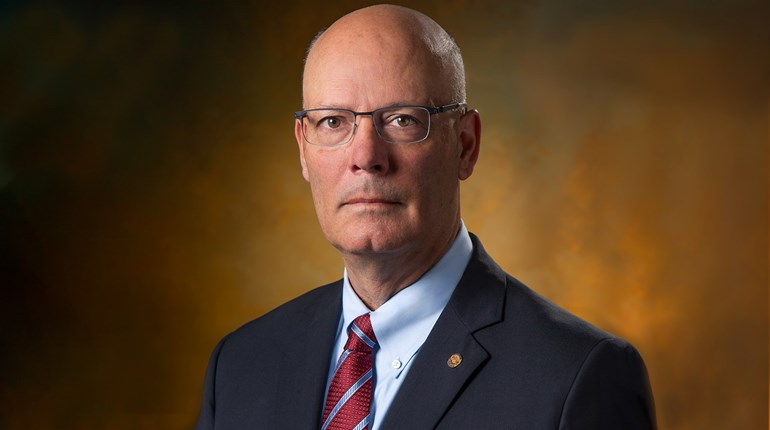
Readers unfamiliar with the name of the author—David Hemenway—might have glanced at his byline and felt reassured that he was listed as a professor in the Harvard School of Public Health. But Dr. Hemenway is no unbiased observer guided by empirical results. He is, in fact, an especially dedicated and prolific anti-gun activist, one whose voice is amplified because he speaks from behind the curtain of supposed academic objectivity.He is, in fact, an especially dedicated and prolific anti-gun activist, one whose voice is amplified because he speaks from behind the curtain of supposed academic objectivity.
Hemenway is the author of the 2004 book “Private Guns, Public Health”—we’ll let you guess what he thinks the connection is between those two things—but he’s been churning out articles with strongly anti-gun conclusions since the early 1990s. The massive body of research that he has built up features consistent flaws—although Hemenway may not view them as such, because they allow him to come up with the results that he wants.
A good example is Hemenway’s tendency to ask survey questions, then to use some formula of his own devising to break down the numbers in relation to guns instead of simply asking the right questions about them. For instance, a 2006 study in the journal Accident Analysis & Prevention separately asked respondents whether they had been in a road rage incident and whether they had ever ridden in a vehicle with a gun, but not whether they had been in a road rage incident in which a gun was present.
Lest anyone conclude that this weak experiment design was the result of a simple oversight, Hemenway’s most recent study to make a media splash—a piece in the journal Preventive Medicine—makes claims about the percentage of gun owners who ever use firearms in self-defense. Yet his data is drawn from a series of surveys that he and his co-authors admit asks “no specific questions about self-defense gun use.” As Brian Doherty at Reason writes, “That’s a pretty big flaw for a study aimed at measuring self-defense gun use …”
Hemenway’s research features plenty of other questionable choices, including the apparent cherry-picking of data. Another article from this year asserts that states with higher gun ownership rates experience more police homicides—but the study nonsensically guesses at private gun ownership rates by using data on gun-enabled suicides. The raw data from studies like these might still be of use to researchers who aren’t pursuing an anti-gun agenda. Unfortunately, Hemenway has historically been unwilling to share his data—a huge red flag for any researcher in the social sciences.When one examines Hemenway’s career in depth, the overwhelming picture that emerges is of a researcher who fiddles the numbers to come out the way he wants—an activist in scientist’s clothing who values ideology over accuracy.
When one examines Hemenway’s career in depth, the overwhelming picture that emerges is of a researcher who fiddles the numbers to come out the way he wants—an activist in scientist’s clothing who values ideology over accuracy. For him, it is not simply a matter of claiming that an anti-gun consensus exists in academia; he is actively trying to create said consensus by having a finger in every gun research pie. Spend a few minutes searching for studies pertaining to firearms policy—especially those published in peer-reviewed public health journals—and marvel at the sheer number that list him among the co-authors.
While we would be exceedingly gullible to believe that academics are really motivated by a disinterested pursuit of truth, Hemenway is a particularly pernicious specimen. Under the guise of scientific research, what he is producing is propaganda. Professors in other fields might at least take some heat for this. Instead, Hemenway is rewarded with uncritical access to peer-reviewed journals and a prestigious position at Harvard University.
Unlike Shannon Watts of Moms Demand Action or gun-ban billionaire Michael Bloomberg, Hemenway does not have a name that most people recognize, even devoted Second Amendment supporters. But his comparative anonymity is what makes him so powerful—he is nearly invisible as an activist, but he trumpets his message under the cover of faceless academic authority.
Now he enjoys the following of an army of journalists who treat his word as gospel. It’s time that America looked behind the curtain.