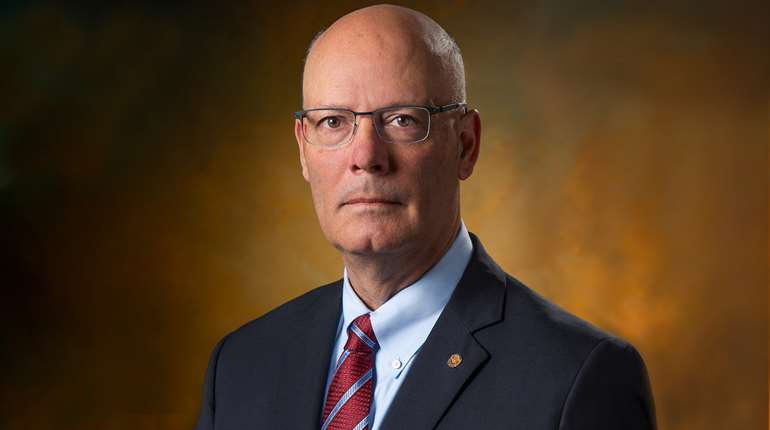
Former Army Ranger Chuck Holton’s job requires that he spend much of his time in hot zones throughout the world. Consequently, he’s seen the generosity of the United States from the outside. But some of what he sees alarms him—mainly the creation of an entitlement mindset that fosters dependency rather than gratitude.

The scruffy homeless guy sauntered up to me on a dirty street corner in Detroit. I was in the middle of a video shoot and would rather have gone without the interruption, but it was cold, and the guy was probably hungry. I pulled a couple bucks from my pocket and handed it to him.
He looked down at the bills in his hand, then shook his head. “That’s not enough!” Incredulous, I plucked my money back out of his hand and said, “Suit yourself.” Then I walked away.
This is what happens when charity becomes “entitlement.”
As a journalist, I spend about half of each year outside the United States. Much of that time is spent in hot zones across the globe. Seeing American culture from the outside, through the eyes of those I cover, has given me a different perspective on charity.
Americans are the most generous people group on the planet, bar none. That’s especially noticeable wherever disaster, hunger, disease or poverty abound. When bad things happen, Americans pour out their hearts to the hurting and give of themselves to help.
Unfortunately, I’ve seen the ugly side of that generosity as well. Many times—especially when the gifts come from government rather than individuals—our generosity is wasted, diverted to the pockets of a greedy few, or employed in such a way that it causes more harm than good.
I’ve seen USAID bags of grain stamped with “A gift from the American people” being sold in the market in Haiti. State Department-funded “development agencies” export shiploads of wheat to Africa. That’s great, except much of it is eventually turned into beer rather than bread, bringing ruin to the cultures to whom it is distributed. Worst of all, I’ve seen well-intentioned “nation building” projects in Afghanistan that were actually diverting U.S. taxpayer monies to our enemies, the Taliban.
What have I learned from all this? For charity to work, it must be personal.
Government “generosity” only perpetuates the very problems it tries to address. Rather than alleviating poverty, it exacerbates poverty, creating a cycle of dependency almost impossible to break.
Charity works best when people willingly give of their own limited resources—an act that engenders gratitude in the recipient. The accountability that naturally follows such a relationship ensures that shiftlessness is uncomfortable, as it should be. When government steps between giver and recipient, it destroys the power of that transaction. The result is resentment, rather than gratitude.
That makes helping the poor, sick, elderly and disabled MY responsibility. It’s a truth our children need to learn. It’s a mistake to expect government to fix whatever’s wrong in our society. Judging from things like the IRS and the D.C. public school system, about the only thing government does really well is waste our money.
Personal responsibility—it’s the cornerstone of generosity. Nobody can do it for you. I wish more people understood that.