In the face of the uncertainty the COVID-19 pandemic has introduced, many Americans have realized a need for self-reliance, and that includes being able to defend themselves and their families. Accordingly, sales of guns and ammunition are on the rise.
The NRA has a wealth of resources available to new gun owners. These focus first on the fundamentals of safety and accuracy, but then, as gun owners increase their knowledge and skills, a host of other topics can be built upon those fundamentals. Sometimes, though, even with so much available—or maybe because so much is available—new gun owners might not know where to start.
“Find a training team with experience and ask questions,” said NRA instructor and training counselor Doug Davis, owner of Davis Training in Colorado Springs, Colo.
Davis then laid out a path he’d recommend as ideal for those who are new to shooting.
- Find a knowledgeable NRA instructor: Ask instructors about their credentials, experience and what the instructor-to-student ratio is in their courses. Ask how they structure their classes and what they offer. The NRA lays out an exact curriculum with guidelines and procedures that must be followed for their courses, but some instructors will still offer more than others; for example, Davis Training lets students try out a wide variety of handguns as part of its range experience. Trying out different action types, triggers, grips and calibers gives students a better idea of what they can handle and what they might like best. It also helps them become familiar with firearms. During this pandemic, you might not be able to take an in-person course, but many instructors offer hybrid courses or fully online courses.
- Research what gun is right for you before purchasing: Davis said that about half of the students who buy their first gun before taking a gun course end up with one that’s not right for them. “Maybe it doesn’t fit them right; maybe the trigger pull is too heavy or long; or, maybe, they can’t work the slide. Whatever the reason, they bring it to class, shoot it and are devastated that it won’t work well for them. Entry-level gun owners often don’t have enough experience handling guns to know whether a gun is a good fit for them.” Besides asking knowledgeable instructors, online searches can be beneficial. It can help to read or watch reviews of the guns you’re considering.
- Start with this course: After vetting the instructor, take the NRA Basics of Pistol Shooting course to learn about safety and accuracy.
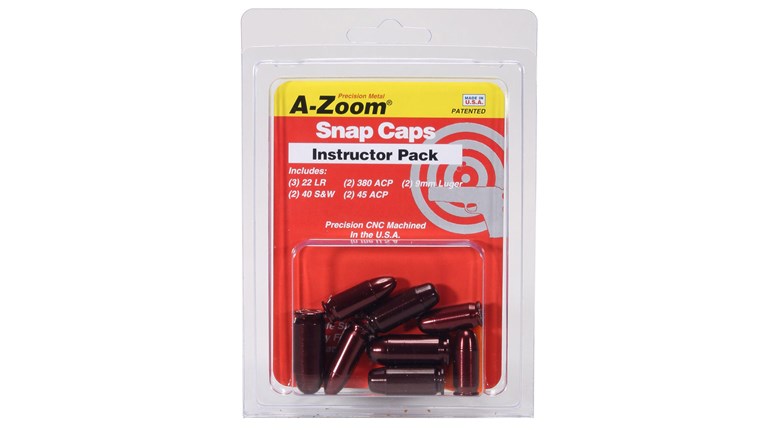
- Practice the fundamentals you learned in the NRA Basic Pistol course: Range time is important, but dry practice can be even more beneficial: “Perfect dry practice is better than imperfect live fire, every time. That’s why it’s recommended by all levels of trainers,” said Davis.
- Take an NRA Defensive Pistol course and/or the Basic Personal Protection in the Home and Basics of Personal Protection Outside the Home courses: The NRA Defensive Pistol course is available for those new to gun ownership—you don’t have to take the Basics of Pistol Shooting course first; however, Davis says he’s found that most students do better if they take the Basic Pistol first, then the CCW course after some practice. “It reminds entry-level shooters of the fundamentals and applies that knowledge to a more real-world use,” said Davis.
- Join a shooting community: If you don’t have people to go to the range with, you aren’t as likely to go yourself. Shooting clubs and groups can offer comradery while you develop your skills.
- Continue developing your skills: Read articles and watch videos from reputable sources. NRA Publications has a wide variety of articles and videos to choose from. Search the term “mentor” on the NRA Family or American Rifleman websites for a good start.
- Practice, practice, practice: Shooting is a perishable skill.
Entry-level gun owners have a lot of NRA resources available to them. For more, be sure to check out the mentoring videos on the NRA Pubs YouTube channel.