As the rain from Hurricane Harvey swallowed Houston, I watched as my hometown met the rising water with Texas-sized resilience.
This unprecedented, civilian-run relief effort was partly due to the technological evolution that has occurred over the past decade. The introduction of the iPhone, two years after Hurricane Katrina, launched society into a technological web in which roughly three-quarters of Americans own smart devices. This barrage of connectivity, mapping software and knowledge of systems usage has produced a tremendous reliance on technology to satisfy immediate needs.
But what happens when you eliminate the technological framework because of uncontrollable natural disaster—or something much more evil?
Harvey is a reminder that there is no structure in place to manage the challenges posed by catastrophic threats. However, it is silly to think that even the most thorough plan could perfectly foresee and serve the demands of a national disaster. In such case, a breakdown of social order in the name of survival is almost inevitable. The cold, dark reality is that an increase in technology does not make society any less medieval—the baser elements of human nature still remain.
If disaster strikes, the responsibility of protection ultimately belongs to the people, not the government.Looting has long been part and parcel of national disasters. The chaos of a storm’s aftermath and the shifted focus of police to rescue and relief efforts makes it almost impossible to contain. Post-Katrina New Orleans was described by a police chief as being “like Mogadishu.” Even though government tried to intervene with mandatory curfews, Houston was no exception. Looters robbed the home of an elderly victim while her dead body floated in the water inside. Others impersonated Immigration and Customs Enforcement (ICE) agents, going door to door urging Houstonians to abandon their homes only to rob residents once they left. Police were even forced to halt some life-saving rescue missions after looters fired on firefighters and other volunteer rescue personnel.
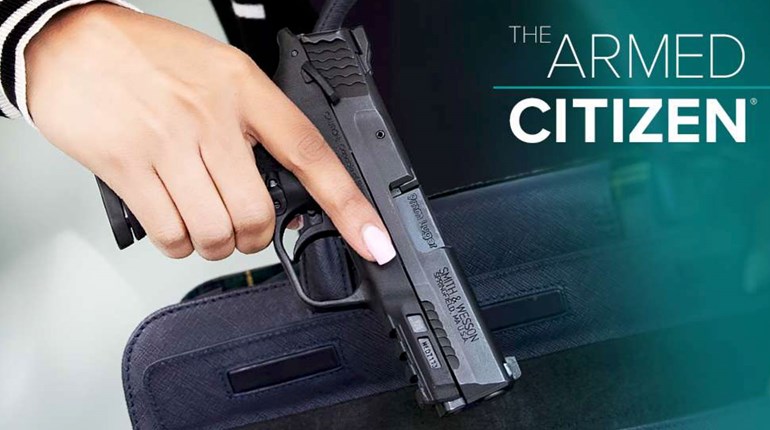
It is in times like these that we realize that the Second Amendment goes beyond the assertion that an armed citizenry is the check against a potential tyrannical state, but it also has expansive meaning through the lens of a national crisis. If disaster strikes, the responsibility of protection ultimately belongs to the people, not the government.
The framers wrote the Second Amendment with the intent that the citizenry would be the final line of defense, not just against a oppressive state, but also against human nature. America’s founders did not believe that a fallible, collective body could protect us from itself, let alone disasters (natural or manmade) and the accompanying breakdown of the social order. Even in the wake of a powerful show of good Samaritans, the aftermath of Hurricane Harvey offers undeniable proof that the Second Amendment remains relevant in modern society. Before residents of Houston and surrounding neighborhoods can rebuild, they must first protect—and the many signs posted warning, “You loot, we shoot,” are a testament to the role of firearms in the defense of life and property.
Harvey’s aftermath is a staunch reminder of society’s vulnerability. But while Texans have already lost a lot, they will not lose any more because of restrictive gun laws. When technology, the promises of big government and all else fail, the Second Amendment is the only thing that will truly protect the people.
Lydia Longoria is an economist and writer from Texas. Follow her on Twitter: @LydiaLongoria.