There was a time when the electronic EarPro was a near-mythical item. The idea that you could use microphones and speakers inside of a set of ear muffs—and still hear but be protected—was near-magical. And fabulously expensive.
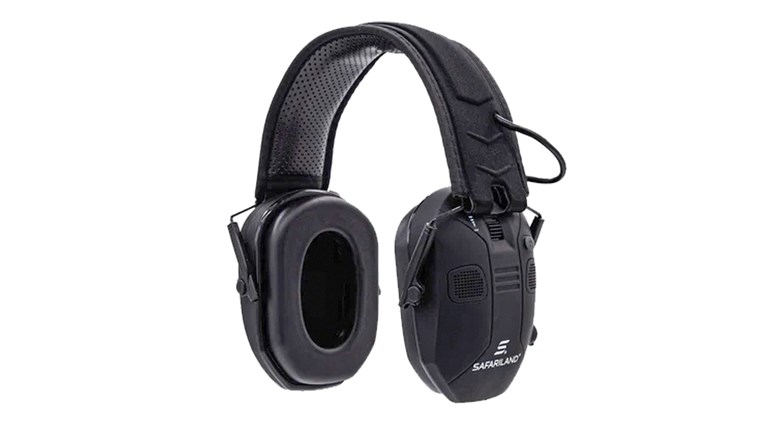
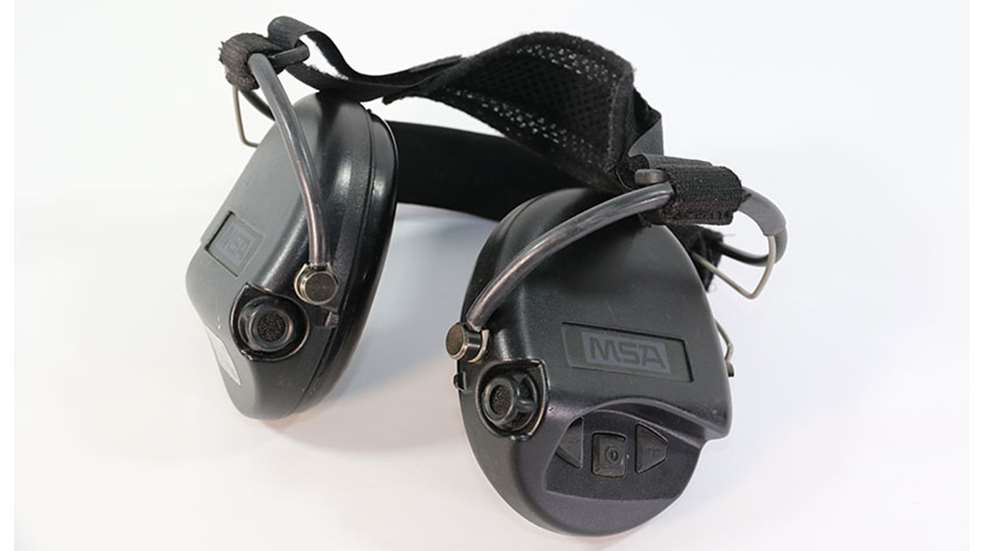
You can easily find inexpensive electronic muffs these days, but if you want comfort, clarity and options, you’ll have to do some searching and test-wearing. The ones in the lead photo go with me everywhere because I can wear them all day long.
In the mid-1980s, at a time when a good bolt-action rifle cost you $500, who was going to spend $400 on hearing protection? Not me. Not many.
But now, electronic hearing protection is so common no one notices theses at the range. You can easily find an entirely serviceable set for $35. But, as with all things, there are good and bad aspects.
The good:
- You can hear people. No more peeling off one cup of your hearing protection to hear what your buddy is saying just then to have someone touch off a belted magnum rifle round. Ouch.
- Hunting is now different. You can be protected and still hear that buck trying to sneak to the salt block. In fact, you can probably hear him better now than before.
- Since you have them on all the time at the range, you are less likely to lose them. Before electronics, we’d take them off when we didn’t need them, and then have to hunt them down when we did need them again. I’ve even gotten my EarPro tangled in the seatbelt when getting into my car to drive home—having forgotten I was wearing them.
- You have choices. You can go from a basic $35 set of muffs—to an all-singing, all-dancing muffs with a Bluetooth link for phones, etc. and adjustable responses in playback.
The Bad:
- They use batteries. The big muffs use AAA or AA batteries. When the battery runs out, you have protection, but not the benefits. You must have spares, but that’s a fact of modern life. I have spare batteries for my EarPro in my camera bag, my range bag, in my car, and stashed in a locker at the gun club. Spares are merely the cost of doing business.
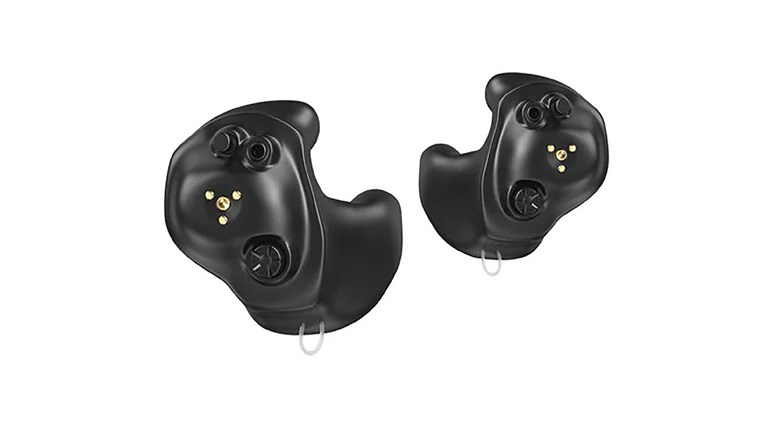
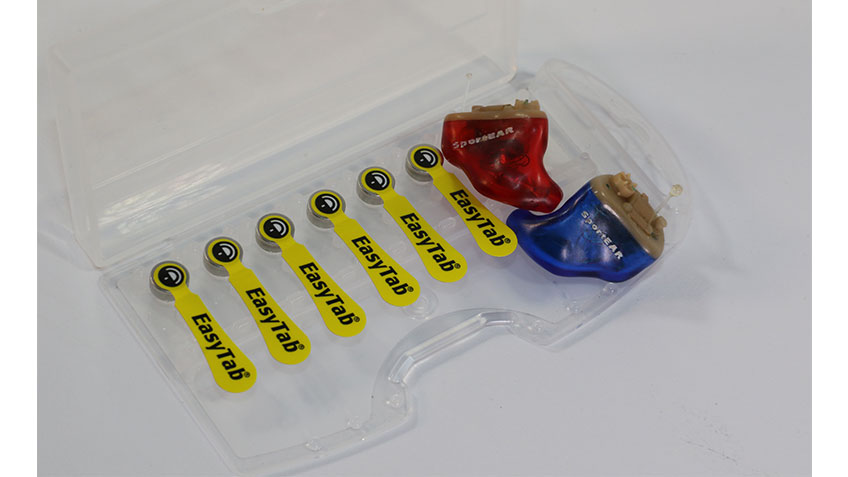
- The smallest ones use zinc. The in-your-ear electronic ones—the ones that are really good hearing aids—use zinc-air cells. Those are the tiny ones known as A10. You know that little plastic tab they have glued to each one? That isn’t just to let you handle it; it is also the protection and start. You see, the battery works by using oxygen from the air to oxidize the zinc. When you take the tab off, the battery gets a gulp of air and starts working. There is no turning it off. That’s why they are dead every time you go to the range, and you have to reload your earplugs. It’s a good thing the A10s are so cheap.
- Electronics hate water. I still remember using a set of electronic muffs in a training class, the kind that doesn’t stop for weather. As the rain turned from drizzle to downpour to monsoon, I heard my electronic muffs begin to snap, crackle and pop. No, not cereal, but short-circuiting.The modern EarPro are much better now in the rain, but they still have limits. If the forecast is for rain or a heavy downpour, you might want to use your backup “dumb” ear muffs.
- The best still cost a lot. You can still plunk down $300 for a set of muffs, but what you get is superb. You get stereo hearing—with the peaks clipped (not just shut off) and noises amplified to the hearing level you want, without background noise sucked up as well. You can plug in external radios and microphones, and you get comfort as well. At nearly 10 times the price of the most basic units, the cost may not seem like a lot, but you really have to want to have the comfort and sound quality for the adaptability of the top-end units.
Would I go back? Not a chance. Do I still keep non-electronic hearing protection? You betcha.