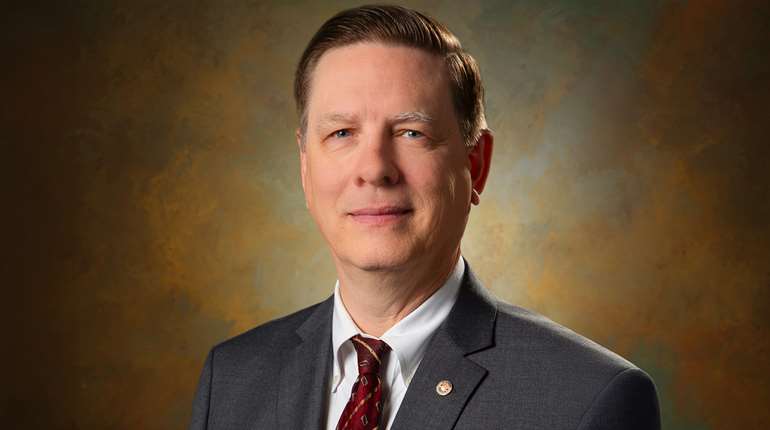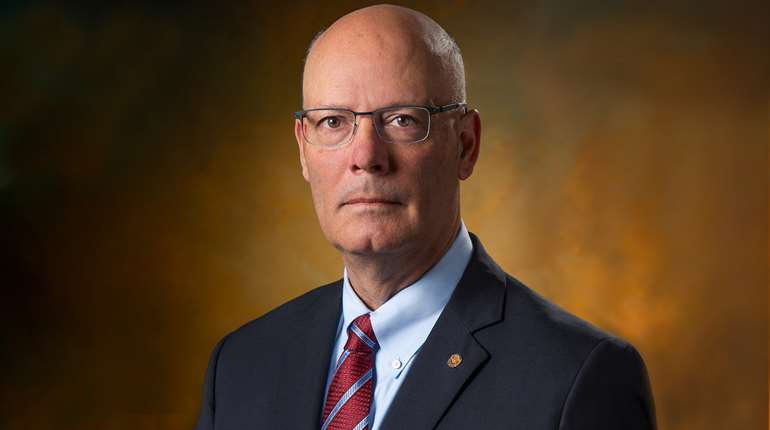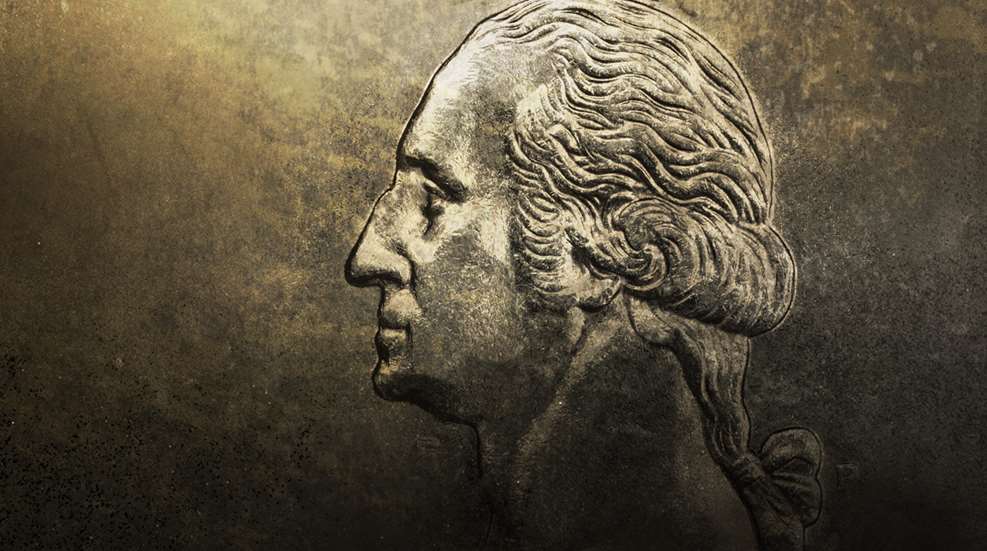
In whatever week Feb. 22 falls, we can’t bear to bypass a birthday observance and some contemplation of our nation’s highest ranking military officer (ever, and by congressional action), as well as the first president of the Republic—George Washington. Better still, we have at our fingertips—or at least as “favorites” on every contact list we maintain—two of the greatest living experts on the subject, Drs. David S. and Jeanne T. Heidler. The Heidlers join us with some election-year thoughts from, and on, this most famous of founders.

A1F: Fresh from the success of Washington’s Circle, we can’t help but wonder what insights you might have on President Washington’s view of the upcoming presidential election. It’s certainly shaping up to be an important one, with implications from the early days of the Republic, as well as going forward?
Dr. David S. Heidler: Well, elections during Washington’s time were very different.
Dr. Jeanne T. Heidler: Yes, he wouldn’t recognize the political landscape today.
DSH: I think the most appalling change for him would be the alarming influence of money on elections at all stages, for all levels of government. A guy can’t run for dogcatcher without holding a fundraiser, hiring consultants, buying expensive advertisements and conducting a campaign that often expends enormous amounts of energy raising even more money. News media judge a candidate’s viability by how much money he can raise rather than what he actually stands for, and it’s business as usual for an incumbent to amass cash in a “campaign war chest” for the next election cycle. Washington and his fellow Founders would have seen this as opening the door to self-interest, influence peddling and the inevitable debasing of elections. By extension, the very process that is supposed to install representative government would end up corrupting the government itself.
A1F: Do you think he would have been in favor of campaign finance reform then?
JTH: Definitely not, no.
DSH: No, he would have rightly seen such so-called reforms for what they are, an odious effort to regulate political activity, and mainly for the benefit of incumbents wanting to discourage challengers.
JTH: Washington believed a virtuous citizenry would demand virtuous governance, and that such expectations would check corrupt behavior.
DSH: Elected officials who ignored this fundamental rule of virtue would not be sustained in office. As for the presidency, he embraced as paramount the idea that it should be above the political fray. The president should advance the common good, and he could only do that by avoiding obligations both to factions and individuals. Washington always paid for his residence, staff and entertainments out of his salary, and when he traveled he accepted no private hospitality but, again, paid his own way, even to the extent of indignantly refusing discounts.
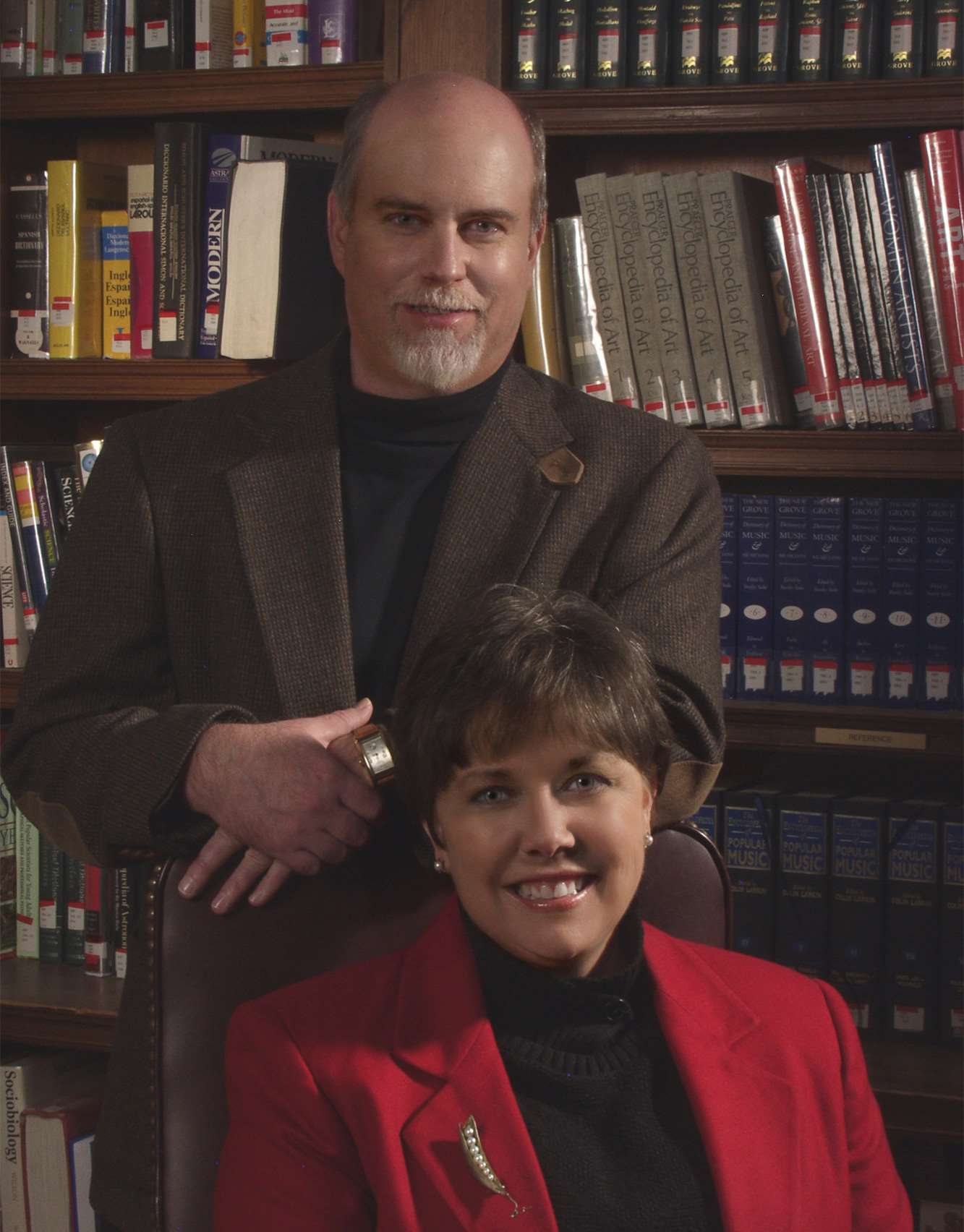
JTH: David’s remark about Washington’s concept of politics and the president’s place in political confrontation is interesting from another perspective. He was familiar with partisan bickering, but it alarmed him and other Founders. As we say in Washington’s Circle, no one could imagine anyone else except Washington as president, and when he announced his retirement in September 1796, people were dismayed, including those people who had been the most critical of his administration. If he had lived one more year, into 1800, he would have seen exactly how nasty presidential politics could become and would continue to be. There is nothing new under the sun.
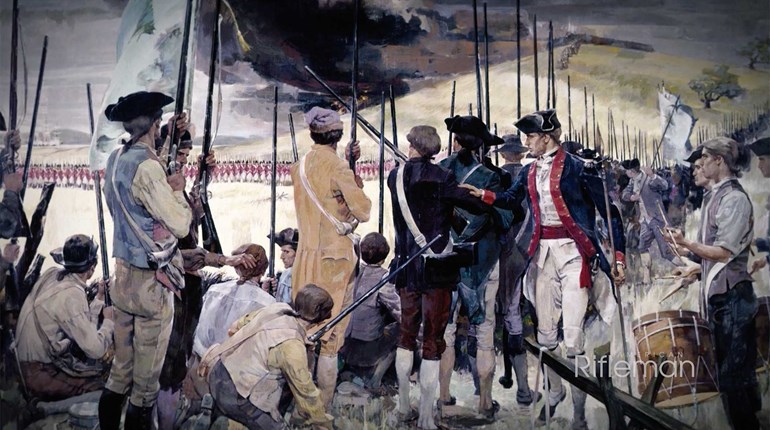
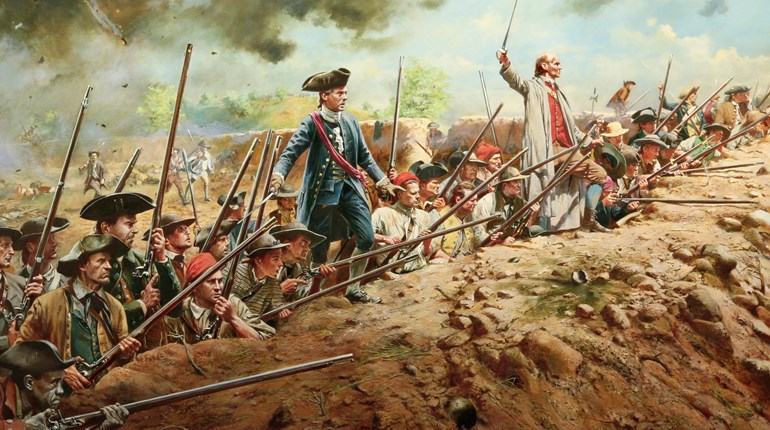
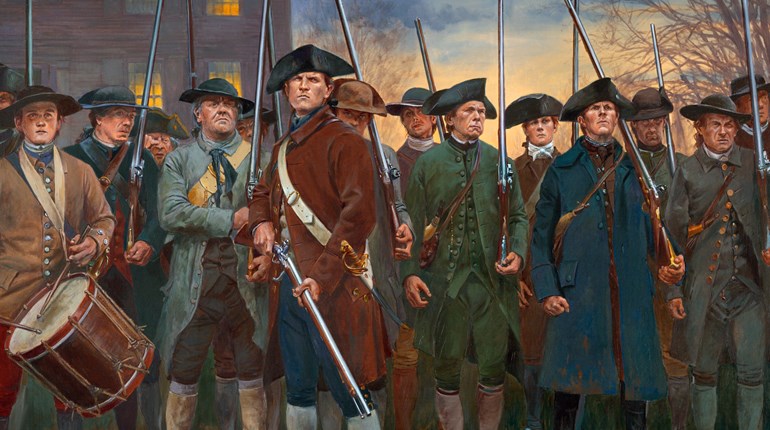
A1F: Denigration of the citizen soldier of Washington’s day seems surprisingly common, yet from Lexington and Concord forward citizen soldiers seem to have played important and ultimately successful roles. Is what seems a jaundiced view to us historically accurate? Did Washington share it?
DSH: Americans during Washington’s time regarded standing armies as dangerous to liberty because they could serve sinister masters. Americans suspiciously watched government as one would a servant aspiring to become a master, and opposing a government’s capacity to coerce citizens by force of arms was one of the motives that spurred the American Revolution. But Washington also knew that the martial setting can be seductive. At the end of the war, he had to quash a mutiny planned by his own officers who planned to overthrow the Congress and install a dictator.
JTH: And in that same vein he always distinguished the standing army from an armed citizenry, which he never considered a threat to the nation. Even when he very aggressively suppressed the Whiskey Rebellion in 1794, he never talked of disarming citizens in the aftermath. In fact, he used the militia of Pennsylvania and surrounding states to put down the rebellion. He could not have done so without an armed citizenry.
A1F: What were George Washington’s thoughts on the Second Amendment?
DSH: We have no clear evidence in the way of direct statements that he said anything definitive about it. As you know, the Internet has created something of a cottage industry for the falsely attributed quotation— Mark Twain, Lincoln and others noted for pithy remarks are often reported as saying things they never did. George Washington has his share of such misattributions. But his actions give us clues.
JTH: Yes, that’s right. Washington remained remarkably (for our time) silent on all of the amendments that would become the Bill of Rights. After urging Congress, in his first inaugural address, to pass amendments to address the concerns of opponents of the Constitution, he withdrew from the process and left Congress alone to fulfill its duties under the Constitution. However, many people believed, as we say in Washington's Circle, that his behind-the-scenes support brought about the passage of those amendments.
DSH: From that perspective, he did not think the right of the people to keep and bear arms was an issue, except as it might be breached by government, which he apparently opposed. Washington was not a lawyer, but he realized that in the affairs of man, whether framed by tradition or statute, silence is consent.
A1F: The passing of Supreme Court Justice Antonin Scalia has rocked the strict constructionist’s world view in the last few weeks. Not only is the Second Amendment suddenly “wobbly,” but perhaps many other heritages and liberties that Washington prized. Your thoughts?
JTH: David’s observation about Washington not being a lawyer is pertinent here as well, I think. He was the rarity among the Founders and Framers in that he was not a lawyer, but Washington believed the Constitution’s words and the amendments that were added to it meant something concrete. The language isn’t really ambiguous, except for those who want it to be.
DSH: Yes, the Constitution was designed to impede government as much as empower it, and the ratification debates were really driven by the question of how effective that design would be in practice. Opponents of the Constitution were afraid that interpretations of certain clauses, phrases, even particular words would erode checks on central power and inevitably grow it.
JTH: Because Washington knew about these concerns, and was even in sympathy with them to some extent, he always inclined to interpreting the Constitution strictly. When questions regarding this came up, he routinely asked for detailed legal opinions from his advisors before making a decision. His first veto of a congressional bill, after considerable consultation, was prompted by his belief that it violated the Constitution.
DSH: The belief rested on the then commonly held principle that all three branches of government—not just the Supreme Court, but the other two branches as well—had an obligation to sustain the Constitution. Congress should be heedful of the Constitution in representing the people legislatively, the executive should be vigilant for unconstitutional excess but otherwise agree to congressional enactments as an expression of the people’s will, and the judiciary should adjudicate rather than whimsically change statutory law, unless it violated the fundamental law, meaning the Constitution.
JTH: Anything else was regarded as a rule by men rather than by law, and that was repugnant to Americans. For example, Washington thought that a president should not exercise the veto because he disagreed with a policy. He should only do so when he believed Congress had passed something that violated the Constitution.
DSH: Governance by law is the indispensable foundation for liberty. Washington firmly believed this as much as he believed anything, that enforcing the whimsy of the moment or catering to the caprice of the currently popular was a short road to tyranny. George Washington and his circle were careful stewards in that regard, with the result that he twice did the thing that made him a truly great man, first at the end of the Revolutionary War and then after his second term as president.
A1F: And what was that?
JTH: He went home.
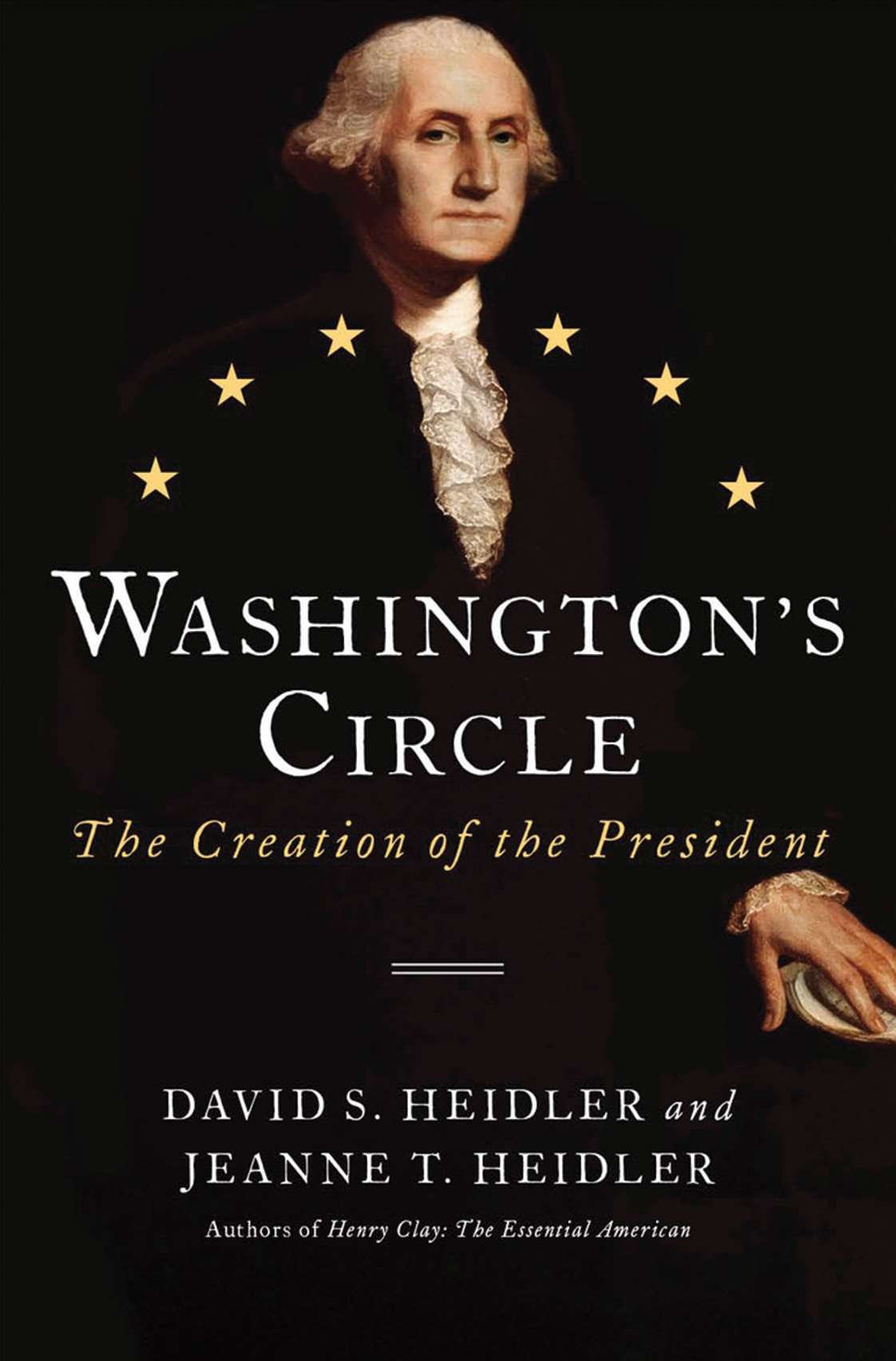
David and Jeanne Heidler have collaborated on numerous books about the early American Republic, the Antebellum period and the Civil War. Their latest is Washington’s Circle: The Creation of the President, now available in paperback.