In a victory for the Second Amendment and the citizens of Illinois, the state’s Supreme Court unanimously ruled that two taxes Cook County had devised—one for firearms and one for ammunition—are unconstitutional. This NRA-backed case was known as Guns Save Life, Inc. v. Ali, and the 6-0 decision was handed down on October 21.
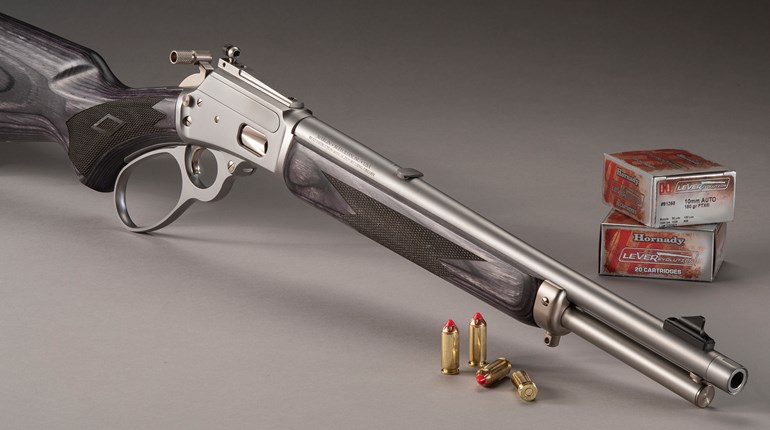
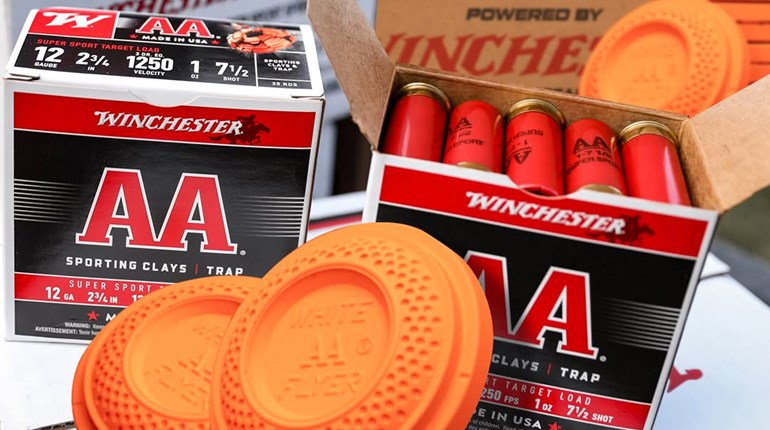
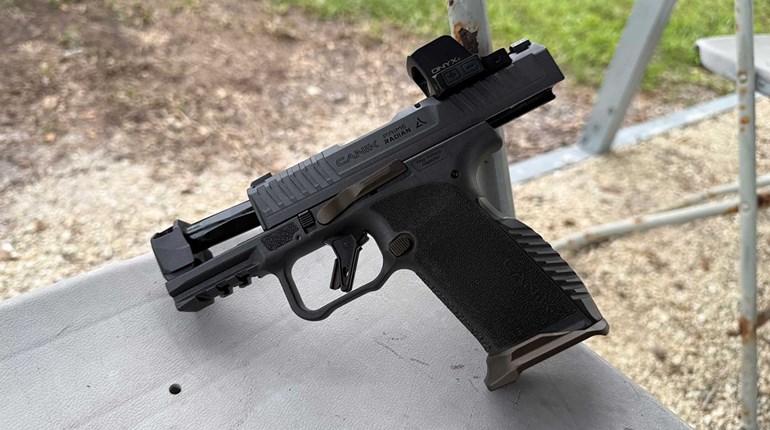
Enacted in 2013, the Cook County Gun Violence Firearm Tax Ordinance imposed a $25 tax on the purchase of a firearm from a Cook County retailer. The county later levied a separate tax on ammunition, which came to five cents per centerfire round and one cent per rimfire round sold in the county.
“While the taxes do not directly burden a law-abiding citizen’s right to use a firearm for self-defense, they do directly burden a law-abiding citizen’s right to acquire a firearm and the necessary ammunition for self-defense,” wrote Supreme Court Justice Mary Jane Theis. “Under the plain language of the ordinances, the revenue generated from the firearm tax is not directed to any fund or program specifically related to curbing the cost of gun violence,” she said.
Actually, firearms and ammunition are already taxed significantly, with the proceeds going to conservation programs across the nation. As A1F.com noted recently: “The legal mechanism…is the Federal Aid in Wildlife Restoration Act, more commonly known as the Pittman-Robertson Act (P-R), which became law in 1937, after the firearms and ammunition industry, sportsmen, and others asked Congress to help dwindling wildlife species. The result was P-R, an excise tax on the sale of firearms and ammunition products.”
The funds from this program are apportioned to state wildlife agencies for conservation efforts, hunter education, and shooting-related projects and programs. To date, the P-R Act has raised over $13 billion for American conservation projects.
In another sign of improvement for gun owners in the Land of Lincoln, it appears Illinois citizens are beginning to receive their Firearms Owners Identification Cards (FOID) in a more timely fashion, following a dramatic slowdown in the approval process in 2020. An Illinois resident must possess a valid FOID Card to purchase firearms and ammunition in the state.