Seeking to “close gaps in operational capabilities” and meet critical requirements, the FBI has asked for $4.2 million for its 2020 budget to improve the National Instant Criminal Background Check System (NICS) for firearm checks and meet new requirements in the Fix NICS Act.
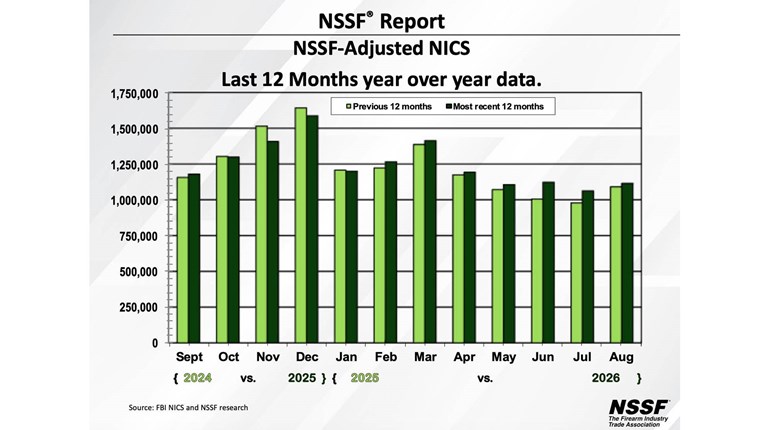
Speaking at a May 7 hearing before the Senate Appropriations Committee, FBI Director Christopher Wray said the “FBI is currently processing a record number of checks, over 26 million were processed in 2018—an increase of almost 950,000 checks.”
The annual number of the NICS firearm background checks for gun permits was at the highest level since 2016, Wray said.
This soaring demand to buy guns led to last year’s Black Friday holiday sales translating into background checks for more than 182,000 firearms—becoming one of the highest volume days for gun-permit purchase requests in NICS history.
“While most checks are completed by electronic searches of the NICS database within minutes, a small number of checks require examiners to review records and resolve missing or incomplete information before an application can be approved or rejected. Ensuring the timely processing of these inquiries is important to ensure law-abiding citizens can exercise their right to purchase a firearm and to protect communities from prohibited and therefore ineligible individuals attempting to acquire a firearm,” Christine Halvorsen, FBI acting assistant director of the Criminal Justice Information Services Division, told the House Appropriations Committee in March.
In addition, the new reporting requirements of the Fix NICS Act will require states to provide additional information (including data on felons prohibited from firearm possession) for inclusion into the background check system. Fix NICS doesn’t create new classes of prohibited persons. It is focused on eliminating reporting gaps.
According the Halvorsen, nearly 70 percent of all NICS transactions that the FBI handles “result in no descriptive matches or hits to the potential transferee against information contained in the three national databases.” However that percentage may change once more information is processed through the background check system according to FIX NICS Act requirements.
Under its budget request for 2020, the FBI wants to add 40 new jobs to the NICS system. Under the current background check system, NICS provides one of these responses:
- Proceed (a firearm transaction can go forward to a person),
- Deny (the person cannot have a firearm), or
- Delay (more research is needed for a final decision because the information supplied by the prospective firearm transferee matched a record searched by the NICS). After a delay, if the transaction is not resolved within the required three-business-day time frame, a Federal Firearms License holder can use discretion about whether to transfer the firearm.
Despite new measures in the FIX NICS Act that would keep more guns out of the hands of criminals, “four states missed a deadline to submit plans to improve background check reporting.” Under the Fix NICS Act, states were given one year to develop a plan to improve the data they submit to the NICS. However, the Department of Justice revealed that one week after the March 25 deadline, only 46 states and the District of Columbia had submitted their plans. The DOJ failed to name the states that missed the deadline.