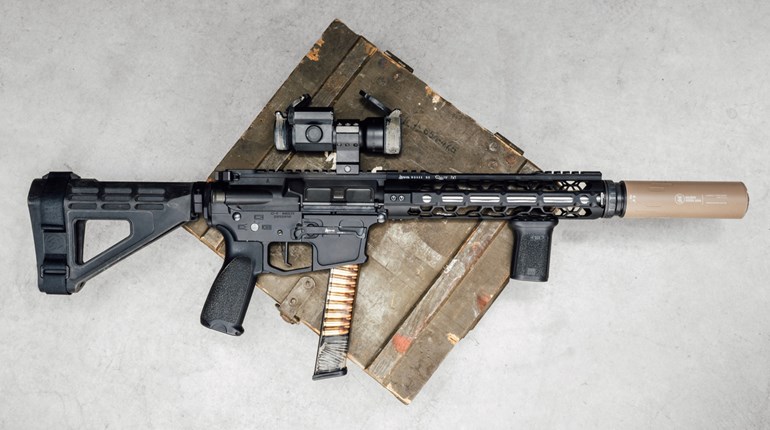
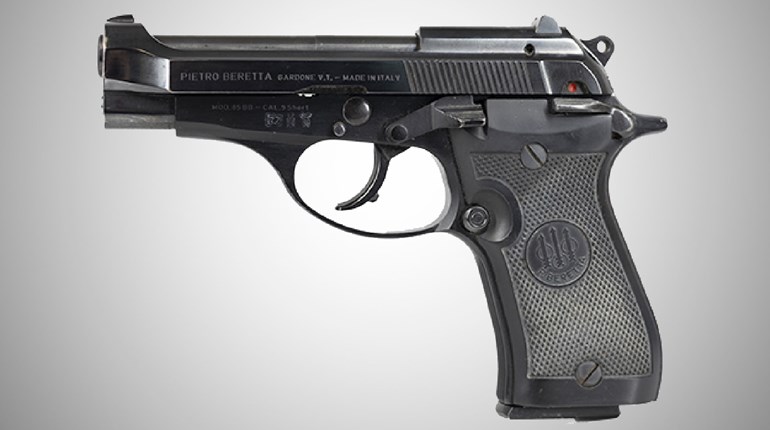
A suppressor (also known as a “silencer”) is nothing more than a muffler. The term “suppressor” is preferred today because it is more accurate, as the sound of a gunshot is hardly silenced; it is suppressed.
When you fire a gun, hot, high-pressure gas exits the muzzle along with the bullet, which can make a lot of noise (“muzzle blast”). When a suppressor is attached to a firearm’s muzzle it contains some of those gasses for a fraction of a second, which allows the gasses to expand and cool as they circulate around internal baffles. This helps to lower the decibel level (dB).
Like car mufflers, suppressors basically make guns a little more polite. This is why they are commonly used on hunting rifles in countries such as Finland and the United Kingdom (where they are often called “sound moderators.”)
Helping protect a person’s hearing, suppressors are very popular. There are now over 1.5 million suppressors owned by American citizens, according to the Bureau of Alcohol, Tobacco, Firearms and Explosives (ATF).
Despite their usefulness and popularity, some politicians are trying to ban suppressors and even want to “buy back” those now in the public’s hands. Sen. Bob Menendez (D-N.J.), for example, introduced a bill last June to outlaw suppressors. The legislation is called “The Help Empower Americans to Respond Act,” and would ban the importation, sale, manufacture, transfer or possession of suppressors. This legislation would also authorize a silencer “buyback” program.
“The NRA wants you to believe that silencers are necessary to protect the hearing of gun owners, but not even the United States military relies on silencers to protect our soldiers’ hearing,” said Menendez. Actually, military.com ran a feature in 2017 titled “Marine Unit in Norway First to Deploy with Rifle Suppressors.” The article detailed a Marine Corps test of equipping an entire infantry battalion with suppressors. According to the article, Marines appreciated the increased squad and fire team communication made possible by using suppressors. The Marines interviewed claimed they “never want to go back [to unsuppressed firearms].”
Sen. Menendez should do a little research before discussing how the U.S. military protects the hearing of our soldiers, sailors, airmen or marines. The Veterans Administration reports on its website that “[h]earing problems … are by far the most prevalent service-connected disability among American Veterans.”
Where Are They Legal?
Thanks to lobbying from the NRA and others, a lot of states have legalized suppressor ownership and their use in hunting over the past decade. Currently, suppressors are legal for private ownership in 42 states—hunters can use them in 40 states. To see if they are legal in your state, go to americansuppressorassociation.com.
The Technology is Over 100 Years Old
In the first decade of the 20th century, Hiram Percy Maxim invented and perfected the “Maxim Silencer,” a suppressor he received a patent for in 1909. Today, companies like SilencerCo, SIG Sauer and Gemtech Suppressors are making steady advances in improving the technology, but the basics remain the same.
Suppressors Don’t Make Guns Whisper Quiet
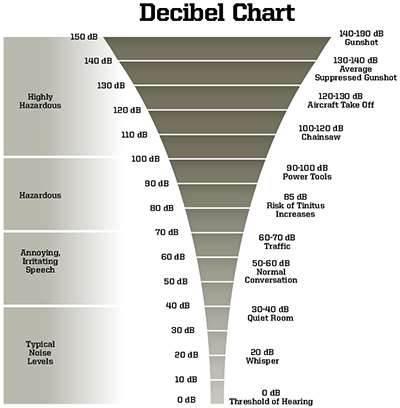
Hollywood has been feeding us misinformation about suppressors for a long time. A suppressor cannot prevent the loud sonic crack created by a bullet exceeding the speed of sound. By redirecting the flow of gas that follows the projectile out of the barrel, a suppressor can slightly reduce (but not eliminate) the sound of a gunshot. A decent suppressor for an AR-15 chambered in .223/5.56mm can reduce the sound of that rifle being fired by 30-35 dB. Thus, a quality suppressor can turn what would’ve been a 165-170 dB, eardrum-bursting gunshot down to a 135 dB gunshot, which is roughly the same volume a jackhammer makes. The Occupational Safety & Health Administration (OSHA) has determined that any sound at 140 dB or higher can cause pain and permanent hearing damage; also, over time, anything over 85 dBs can damage hearing. The point is, for the most part, even if someone is firing a suppressed firearm, they should still wear hearing protection.
How Do You Get A Suppressor?
Suppressors are regulated under the National Firearms Act (NFA) of 1934, which falls under the purview of the ATF. To legally purchase or possess a suppressor you must live in an area that allows them to be sold and you must:
• Be at least 21 years of age to purchase a suppressor from a dealer;
• Be a resident of the United States;
• Be legally eligible to purchase a firearm;
• Pass an ATF background check with a typical process time of six to twelve months;
• Pay a one-time $200 transfer tax
Basically, if you live in a state where suppressors are legal, you’ll need to fill out forms, pay the tax and wait—a very long time. If your application is approved, they’ll send it back to you with a stamp attached. You can then pick up your suppressor at the store you bought it from. You’ll want to keep a copy of this paperwork with you when using your suppressor.
Since 2015, the NRA has been lobbying for legislation that would take away this burden and fee.